Idaho’s Mammoth Cave near Shoshone, Idaho, is open daily May 1 through September 29 for the 2026 season and is one of the largest volcanic lava tubes open to the public in the United States. The nearby Shoshone Ice Cave is temporarily closed for the entire 2026 season while walkway repairs and replacement are completed. Visitors looking for a cave experience in the Shoshone area can visit Idaho’s Mammoth Cave on Highway 75, just minutes away. One admission covers the cave tour and two on-site natural history museums.
Key Takeaways
- Idaho’s Mammoth Cave near Shoshone is open daily May 1 through September 29 for the entire 2026 season
- Idaho’s Mammoth Cave is one of the largest volcanic lava tubes open to the public in the United States, with visitors walking a quarter mile in and a quarter mile out with lanterns provided
- One admission at Idaho’s Mammoth Cave covers all three attractions: the cave tour, the Shoshone Bird Museum of Natural History, and the Richard Arthur Olsen Museum of Natural History
- The Shoshone Ice Cave is temporarily closed for the 2026 season and cave tours aren’t available this summer
- The gift shop and museum at the Shoshone Ice Cave remain open to visitors

Idaho’s Mammoth Cave near Shoshone is open for the entire 2026 summer season and ready to welcome visitors. It’s one of the largest volcanic lava tubes open to the public in the United States and a completely different kind of cave experience than most people expect.
If you planned a trip to the Shoshone Ice Cave this summer, you’ve likely already found out the cave is temporarily closed for the 2026 season while walkway repairs are underway. That’s disappointing news for anyone who had it on their itinerary. The good news is that Idaho’s Mammoth Cave is just a few miles away on Highway 75 and it’s open right now.
Here’s what you need to know about both caves and how to make the most of your visit to the area this summer.
Idaho’s Mammoth Cave Is Open and Ready to Welcome Visitors
Eight miles north of Shoshone on Highway 75, Idaho’s Mammoth Cave sits at the end of a dusty mile of gravel road off the highway. It’s been welcoming visitors for decades and it’s fully open for the 2026 season.
The Cave Itself

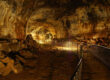
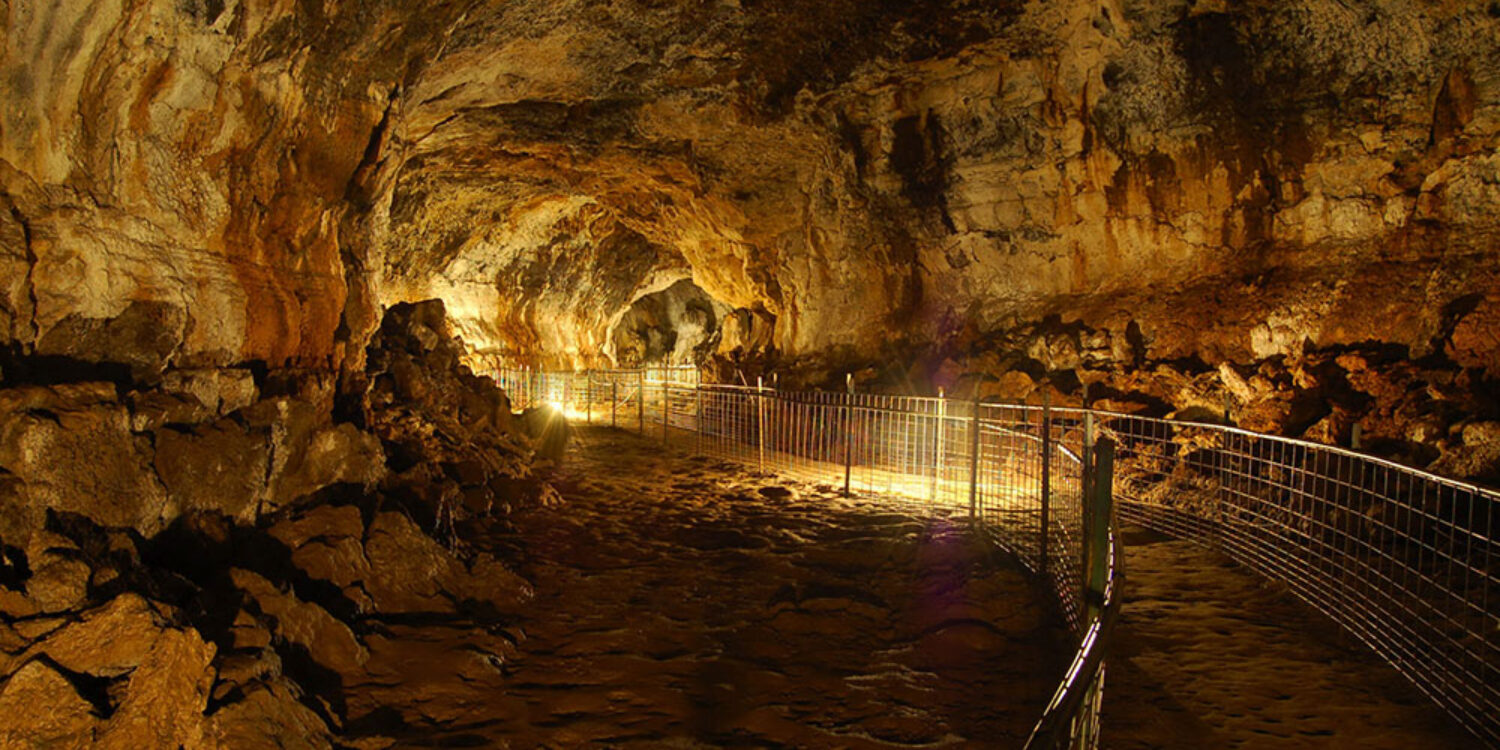
Idaho’s Mammoth Cave is a volcanic lava tube formed millions of years ago when rivers of molten lava filled a valley an estimated 600 feet deep. One of those rivers got blocked at the head and kept flowing, leaving a hollow tube behind. That tube is what visitors walk through today.
It’s one of the largest volcanic lava tubes open to the public in the United States and the largest volcanic cave open to the public in southern Idaho. The scale of it surprises most people. The ceiling is higher than you’d expect. The walls stretch wider than the entrance suggests.
The tour is self-guided, which means you walk at your own pace with no tour group or set schedule. Lanterns are provided at the entrance. Bring a flashlight if you have one, since it’s always good to have additional light as you explore the cave walls. You’ll walk about a quarter mile in and a quarter mile out: a full half mile of underground passage.
The cave stays at 42 degrees year-round. A light jacket is recommended regardless of the outside temperature.
Parts of the cave glow silver from cyanobacteria, ancient living organisms dating back nearly four billion years that grow only on the walls of a handful of caves in the world. Mineral deposits streak the walls in gold, orange, and red. It’s the kind of visual experience that stays with you long after you’ve left.
The cave was also designated as a nuclear fallout shelter during the Cold War in the 1960s, capable of housing 8,000 people. The original radiation warning sign is still posted at the entrance today.
The Shoshone Bird Museum of Natural History

One admission to Idaho’s Mammoth Cave covers the cave tour and two on-site natural history museums, and both are worth the visit on their own.
The Shoshone Bird Museum of Natural History is one of the largest privately owned natural history collections in the Northwest. The building itself is something to see before you even step inside. The walls are constructed entirely of natural, uncut lava rock, four feet thick. Forty-four ponderosa pine trees and fifteen large cottonwood trees hold up the roof, which is made of belting from the Borax mine in California. It took founder Richard Arthur Olsen thirty years to build it.
Inside, the collection represents three generations of the Olsen family. Birds from all corners of the globe are meticulously mounted and displayed to showcase their intricate colors and patterns. Alongside them, you’ll find butterflies from around the world, fish and dinosaur fossils, native and exotic animals from around the globe, pioneer artifacts, Stone Age artifacts, American Indian artifacts, and anthropological collections from cultures ranging from Africa to South America. There are also rocks, minerals, coral, and gemstones, along with pottery and baskets from all over the world, used in ancient times.
Visitors often say they spend hours and still don’t see everything in one visit. It’s earned the nickname “the Smithsonian of the Desert,” and it’s easy to see why once you’re inside.
The Richard Arthur Olsen Museum of Natural History

The second museum on the property was planned by founder Richard Arthur Olsen before his passing in 2019 and opened in his honor as part of his legacy. It continues his mission to educate those who want to learn more about natural objects, world histories, and cultures of the past.
The Richard Arthur Olsen Museum of Natural History expands its collection to offer an even more comprehensive view of natural and cultural history from around the world. Exhibits include fossils, rocks, gemstones, animals, and cultural artifacts, making it one of the most fascinating stops in southern Idaho.
Together, both museums transform what could be a thirty-minute cave visit into a full afternoon of exploration. Most visitors plan an hour and stay for two.
About the Shoshone Ice Cave Closure
The Shoshone Ice Cave is closed for the 2026 season while the walkway system is being replaced. The closure affects cave tours only. The gift shop and museum at the Shoshone Ice Cave remain open to visitors.
There’s no confirmed reopening date for cave tours. Check shoshoneicecaves.com for current updates on the project and when tours might resume.
How Are the Two Caves Different?
Idaho’s Mammoth Cave and the Shoshone Ice Cave are two different geological experiences. If you’ve been to one, you haven’t seen the other.
Idaho’s Mammoth Cave

Idaho’s Mammoth Cave is a volcanic lava tube, a massive underground passage formed by ancient lava flows. It’s one of the largest volcanic lava tubes open to the public in the United States. Visitors walk a quarter mile in and a quarter mile out through a preserved volcanic passage. Lanterns are provided, and the tour is completely self-guided, so you move at your own pace. The cave stays at 42 degrees year-round. Parts of the walls glow silver from cyanobacteria that exist in only a handful of caves in the world. Mineral deposits in gold, orange, and red streak the rock throughout the passage.
Two full natural history museums are included in the same admission. One covers the cave tour, the Shoshone Bird Museum, and the Richard Arthur Olsen Museum. You’re not paying extra for the museums. They’re part of the experience.
Idaho’s Mammoth Cave is open now through September 29.
Shoshone Ice Cave

“Inside the Shoshone Ice Cave” by shelleylyn is licensed under CC BY-SA 2.0.
The Shoshone Ice Cave is also a lava tube, formed thousands of years ago by underground volcanic eruptions from Black Butte. What makes it different is what happened after it formed. Cold winter air became trapped inside while thick basalt walls prevented warm air from entering. Over time, the subterranean water froze and stayed frozen. Even on the hottest summer days, the cave maintains temperatures between 25 and 35 degrees Fahrenheit year-round.
Tours are guided, and the cave measures about 1,700 feet long, 50 feet wide, and 45 feet high.
The Shoshone Ice Cave is closed for the 2026 season for walkway repairs. The gift shop and museum remain open. Check shoshoneicecaves.com for reopening updates.
Both caves are lava tubes, but they offer completely different experiences. Idaho’s Mammoth Cave is simply the one that’s open right now.
Other Things to Do Near Shoshone This Summer

Southern Idaho has plenty to see within a short drive of Shoshone. If you’re building an itinerary around the area, here are a few destinations worth adding:
- Shoshone Falls: About 35 minutes south near Twin Falls. Often called the Niagara of the West, Shoshone Falls drops 212 feet into the Snake River Canyon.
- Snake River Canyon: About 35 minutes south near Twin Falls. A 500-foot deep canyon stretching more than 50 miles through the Magic Valley.
- Craters of the Moon National Monument: About an hour northeast on U.S. 93 to Highway 20. A vast volcanic landscape of lava flows and cinder cones that shares geological origins with Idaho’s Mammoth Cave.
- Hagerman Fossil Beds National Monument: About 45 minutes southwest near Hagerman. One of the world’s richest deposits of Pliocene-era fossils preserved along the Snake River Canyon corridor.
For a broader look at what southern Idaho has to offer, our complete guide to things to do in Idaho is a good place to start planning.
Planning Your Visit to Idaho’s Mammoth Cave

- Address: 251 W Thorn Creek Road, Shoshone, Idaho. Eight miles north of Shoshone on Highway 75. Look for the big blue CAVE sign on the west side of the highway and follow the gravel road approximately one mile to the entrance.
- Hours: Open May 1 through Labor Day daily from 10 a.m. to 6 p.m., with last entry at 5 p.m. After Labor Day, weekends only on Fridays, Saturdays, and Sundays through September 29.
- Admission: Adults $15, ages 12 and under $9, ages 5 and under free. One admission covers all three attractions: the cave tour, the Shoshone Bird Museum of Natural History, and the Richard Arthur Olsen Museum of Natural History.
- What to bring: A light jacket since the cave stays at 42 degrees year-round. Comfortable walking shoes with a good grip. A flashlight is always helpful in addition to the provided lanterns.
- Please note: Idaho’s Mammoth Cave is not handicap accessible. Dogs aren’t allowed on the property. Reservations aren’t required.
- Phone: 208-329-5382
Commonly Asked Questions About Idaho’s Mammoth Cave & the Shoshone Ice Cave.
If you’re trying to sort out your cave plans for this summer, here are the answers to the questions we hear most.
Are the Shoshone Ice Cave and Idaho’s Mammoth Cave the same attraction?
No. The Shoshone Ice Cave and Idaho’s Mammoth Cave are two completely separate and independently owned attractions located near Shoshone, Idaho. They’re both lava tubes but offer entirely different experiences. The Shoshone Ice Cave features guided tours through a frozen underground passage. Idaho’s Mammoth Cave is a self-guided volcanic lava tube with two natural history museums included in admission. Idaho’s Mammoth Cave is open for the entire 2026 season. The Shoshone Ice Cave is temporarily closed for walkway repairs.
Is the Shoshone Ice Cave open in 2026?
No. The Shoshone Ice Cave is closed for the entire 2026 season while the walkway system is being replaced. The gift shop and museum remain open to visitors. Check shoshoneicecaves.com for updates on when cave tours might resume.
When will the Shoshone Ice Cave reopen?
There’s no confirmed reopening date for cave tours as of the 2026 season. The walkway replacement is a significant project. Please check their website for the most current information.
Is there a cave near Shoshone, Idaho, that is open right now?
Yes. Idaho’s Mammoth Cave is open daily May 1 through September 29, just a few miles from the Shoshone Ice Cave on Highway 75. It’s one of the largest volcanic lava tubes open to the public in the United States and includes two natural history museums on site.
How far is Idaho’s Mammoth Cave from the Shoshone Ice Cave?
Both caves are located near Shoshone, Idaho. Idaho’s Mammoth Cave is eight miles north of Shoshone on Highway 75. The two attractions are within a short drive of each other in the same area of southern Idaho.
What’s the difference between the Shoshone Ice Cave and Idaho’s Mammoth Cave?
They’re two completely different geological experiences. The Shoshone Ice Cave offers guided tours and cave temperatures between 25 and 28 degrees. Idaho’s Mammoth Cave is a volcanic lava tube with self-guided tours, a cave temperature of 42 degrees year-round, and two natural history museums included in admission. It’s one of the largest volcanic lava tubes open to the public in the United States.
What should I do instead of the Shoshone Ice Cave this summer?
Idaho’s Mammoth Cave near Shoshone is the most natural alternative for visitors looking for a cave experience in the area. It’s open now through September 29. One admission covers the cave tour plus two full natural history museums on site. Nearby Shoshone Falls, the Snake River Canyon, and Craters of the Moon are also worth adding to your itinerary.
Is Idaho’s Mammoth Cave self-guided?
Yes. Idaho’s Mammoth Cave is completely self-guided. Lanterns are provided at the entrance, and visitors explore at their own pace. There’s no tour group and no schedule to follow. Most visitors spend about 30 minutes in the cave and additional time in the on-site museums.
What’s included in admission at Idaho’s Mammoth Cave?
One admission covers all three attractions on the property: the cave tour, the Shoshone Bird Museum of Natural History, and the Richard Arthur Olsen Museum of Natural History. Adults are $15, ages 12 and under are $9, and ages 5 and under are free.
Idaho’s Mammoth Cave is a completely separate attraction from the Shoshone Ice Cave. While the Shoshone Ice Cave is currently closed, Idaho’s Mammoth Cave is open and welcoming visitors for the entire 2026 season.
About the Author

Katie Ann Olsen
Katie Ann Olsen is the managing owner of Idaho’s Mammoth Cave and a lifelong Idahoan whose connection to the property runs deep. She is the daughter of founder Richard Arthur Olsen, whose passion for natural history and the outdoors helped shape the cave into what it is today.
Raised by an avid hunter and collector of natural history from around the world, Katie spent much of her childhood exploring remote corners of Idaho that most people never experience. That upbringing gave her a deep appreciation for the state’s landscapes, history, geology, and hidden places. She knows Idaho not as a tourist, but through a lifetime of living, exploring, and experiencing it firsthand.
After her father’s passing in 2019, Katie stepped into the role of managing owner and has spent the years since restoring and preserving the property, continuing her father’s vision of creating a place dedicated to the education and enjoyment of visitors and encouraging a deeper appreciation for the natural world and its creator.
Katie is also a passionate writer whose love for Idaho’s history, geology, caves, and landscapes influences much of what she shares about the state and the stories connected to it.