Idaho is one of the most activity-rich states in the American West, with fun things to do that go far beyond hiking and scenic drives. From self-guided tours through ancient volcanic lava tubes and kayaking to electric-blue springs accessible only by water and sandboarding the tallest single-structured sand dune in North America, Idaho has genuinely unexpected attractions and hidden gems that most visitors never discover. Whether you’re chasing underground adventures, desert thrills, or ancient history, this guide covers some of Idaho’s most unusual experiences and hidden attractions.
Key Takeaways
- Idaho’s Mammoth Cave near Shoshone is one of the largest volcanic lava tubes open to the public in the United States and the most unique underground experience in the state.
- The world’s only captive geyser erupts every hour on the hour in Soda Springs, Idaho, and it’s completely free to watch.
- Blue Heart Springs along the Snake River is only accessible by kayak or paddleboard and has water so blue it looks artificial.
- Idaho has two of the largest sand dune systems in North America, both open to sandboarding at different times of year.
- Several experiences on this list exist nowhere else in the world, including the only captive geyser on a timer and one of the few caves with cyanobacteria glowing on its walls.

This isn’t a guide to Idaho’s most famous attractions. It’s a guide to the unusual, surprising, and unexpected experiences most visitors never discover.
Idaho has volcanic lava tubes you can wander through with a lantern, a spring that turns the Snake River electric blue, a geyser that erupts on the hour every single day of the year, sand dunes tall enough to ride down on a board, a ghost town you can only reach by dirt road, and a prison where the ghost of an executed murderer is said to still pace the halls.
If you’re looking for a broader overview of what Idaho has to offer, our complete guide to things to do in Idaho is a good place to start. But if you want the experiences most travel lists never mention, you’re in the right place.
Underground Idaho: Lava Tubes, Limestone Caves, and Volcanic Caverns
Idaho sits atop one of the most volcanically active regions in North America. That history left behind an extraordinary network of underground spaces that offer some of the most genuinely unusual experiences in the American West.
Idaho’s Mammoth Cave, Shoshone

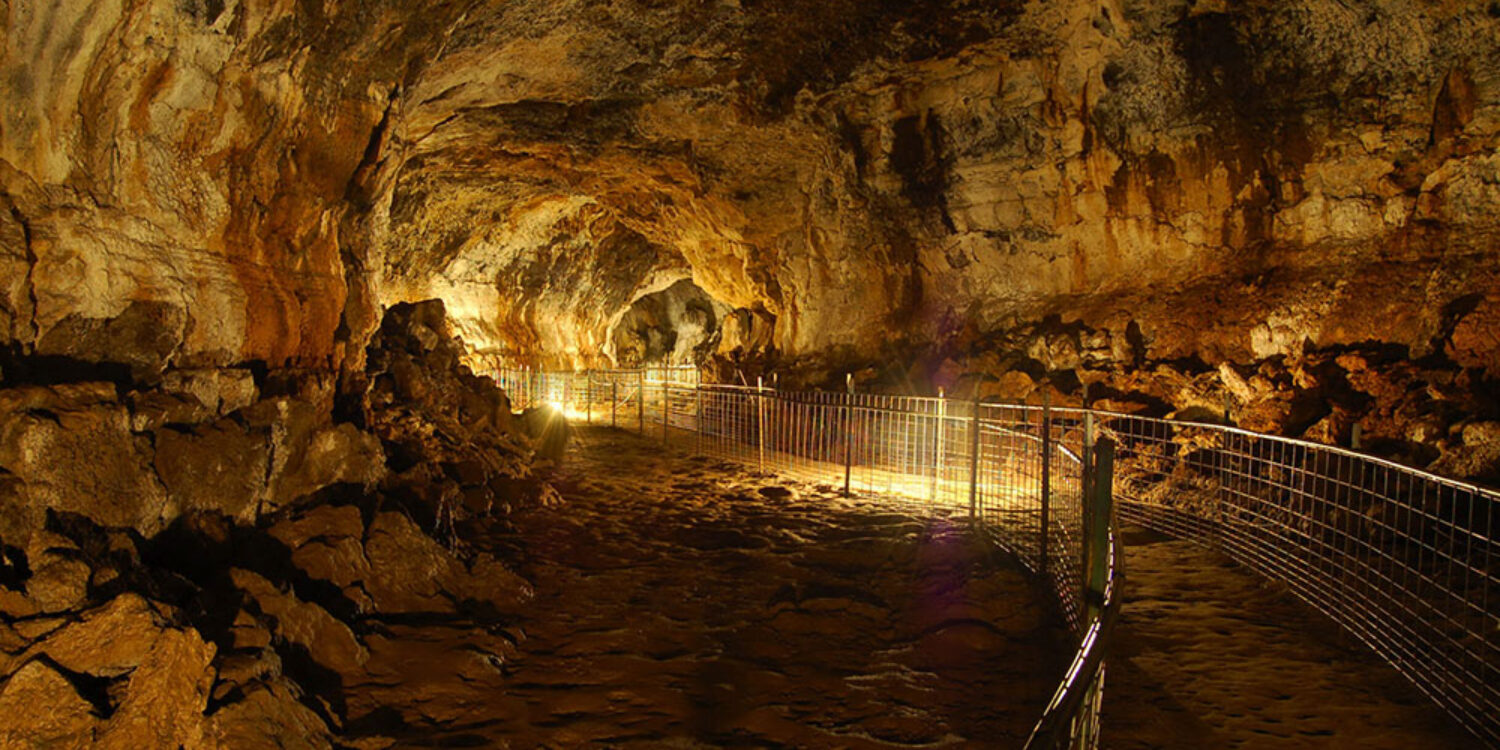
Idaho’s Mammoth Cave is a volcanic lava tube formed millions of years ago when rivers of molten lava filled a valley an estimated 600 feet deep. One of those rivers got blocked at the head and kept flowing, leaving a hollow tube behind. That tube is what visitors walk through today.
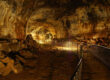
The tour is self-guided. You move at your own pace with a lantern through a quarter mile of cave passage. The ceiling is higher than you expect. The walls stretch wider than the entrance suggests. The cave stays at 42 degrees year-round.
Parts of the cave glow silver from cyanobacteria, ancient living organisms dating back nearly four billion years that exist on the walls of only a handful of caves in the world. Mineral deposits streak the walls in golds, oranges, and reds. It’s the kind of experience that stays with you long after you’ve left.
The property also includes two natural history museums, the Shoshone Bird Museum and the Richard Arthur Olsen Museum of Natural History. Together, they’ve earned the nickname the Smithsonian of the Desert. Most visitors plan 30 minutes and end up staying two hours.
During the 1960s, the U.S. government designated the cave as a nuclear fallout shelter capable of housing 8,000 people. The original radiation warning sign is still posted at the entrance today.
What to know: Open May through the end of September daily from 10 a.m. to 6 p.m., with last entry at 5 p.m. After Labor Day, weekends only through September 29. Adults $15, ages 12 and under $9, ages 5 and under free. Not handicap accessible. Dogs aren’t allowed. Reservations aren’t required. Address: 251 W Thorn Creek Road, Shoshone, Idaho.
Important Note: Idaho’s Mammoth Cave is sometimes confused with the Shoshone Ice Caves, a separate nearby attraction. The Shoshone Ice Caves are currently closed until further notice. Idaho’s Mammoth Cave is open and welcoming visitors from May through the end of September.
Minnetonka Cave, St. Charles

Near the southern tip of Idaho, tucked into the Cache National Forest high above Bear Lake, Minnetonka Cave is the largest limestone cave in the state.
The cave has nine chambers connected across multiple levels. No natural exit has ever been found. The guided tour covers three-quarters of a mile, descending and ascending 888 steps. Tours run 60 to 90 minutes.
The cave is famous for cave bacon, wavy layered flowstone running along walls and ceilings in sheets up to 20 feet long. The Dwarf Kingdom chamber has formations named after the Seven Dwarfs and Kermit the Frog. At one point during every tour, the guide turns off all the lights. The darkness is complete in a way most people have never experienced above ground.
What to know: Tours run from Memorial Day weekend through late summer, with departures every 30 minutes starting at 10 a.m. and the last tour at 5:30 p.m. Closing dates vary by season. The cave sits at 7,700 feet and stays at 40 degrees year-round. Bring a jacket. Not ADA accessible. Reserve tickets at Recreation.gov and check current rules, hours, and any restrictions before visiting.
Spelunking at Craters of the Moon, Arco

Craters of the Moon has a network of lava tube caves you can explore with a flashlight and a headlamp. Indian Tunnel is the largest, measuring 30 feet tall and 800 feet long, with collapsed sections in the ceiling that let natural light pour in. Dewdrop Cave is smaller and darker, requiring more careful navigation.
The caves are open late May through October in a typical year. Snow and ice fill the cave entrances over winter and can cause delayed openings in spring. Check current conditions before visiting.
A free cave permit is required to enter and can only be obtained in person at the visitor center during business hours. Cave permits are separate from park entry. Anything that has ever been in another cave or mine cannot be brought inside — this includes boots, clothing, hats, gloves, and gear, even if washed.
What to know: Near Arco on U.S. Highway 20/26/93, about 90 miles east of Twin Falls. A park entrance fee applies — check current fees and rules at nps.gov/crmo before visiting. Free cave permits are available at the visitor center. Bring at least two light sources per person. Sturdy closed-toe shoes, long sleeves, and pants are recommended. Pets aren’t allowed on trails or in caves.
Only in Idaho: Experiences That Exist Nowhere Else on Earth
There’s a difference between a destination that’s unique and one that’s genuinely one of a kind. The three experiences below are the latter. You won’t find them in any other state, on any other road, or under any other mountain range.
The World’s Only Captive Geyser, Soda Springs

In 1937, businessmen in Soda Springs were drilling for hot water to build a bathhouse. At 315 feet underground, the drill struck a pressurized chamber of carbon dioxide and hot water. The geyser that erupted was powerful enough that the Secretary of the Interior sent a telegram asking the town to shut it off because it was throwing Old Faithful off schedule.
They capped it. Then they put it on a timer.
Every hour on the hour, every day of the year, the Soda Springs Geyser erupts. Carbonated water shoots more than 70 feet into the air, and on calm days it can reach up to 100 feet. Each eruption lasts about 8 minutes. On sunny days, rainbows form in the mist. In winter, the spray freezes into ice formations. It’s the only captive geyser in the world. Free to watch.
A few minutes away, Hooper Springs Park has naturally carbonated water you can drink straight from a pipe in the ground. Both stops together take under 30 minutes and cost nothing.
What to know: Located behind the Enders Hotel on 1st South and Main Street in Soda Springs, Idaho. Arrive a few minutes before the hour. Erupts 365 days a year. About an hour southeast of Pocatello on U.S. Highway 30. If the geyser doesn’t go off at the scheduled time, call City Hall at 208-547-2600. For current visitor information, visit the Soda Springs Geyser Park website.
The Center of the Universe, Wallace

“File:Center of the Universe.JPG” by Jan Kronsell is licensed under CC BY-SA 3.0.
On September 25, 2004, Mayor Ron Garitone of Wallace issued an official proclamation declaring a spot near the intersection of Bank Street and Sixth Street to be the Center of the Universe.
The backstory is what makes it funny. In 2002, the EPA declared Wallace part of a Superfund site, admitting they couldn’t prove whether lead in the local soil came from mining or was naturally occurring. If the government was going to use probabilism to declare Wallace contaminated, Wallace was going to use it right back.
The manhole cover was replaced with a custom monument embossed with a compass rose, the words Center of the Universe, and the initials of four historic mining companies — Hecla Mining, Coeur d’Alene Precious Metals, Sunshine Silver Mine, and Bunker Hill Mining Company. People have gotten married on it. The Today show visited and covered it. British author Danny Wallace visited in 2005 and wrote a book called “Danny Wallace and the Centre of the Universe,” published in 2006.
Wallace is worth more than just the manhole. Every building in the entire historic downtown is on the National Register of Historic Places. The Sierra Silver Mine Tour goes underground and is led by retired miners. The Oasis Bordello Museum is two blocks away. The Route of the Hiawatha bike trail starts nearby.
What to know: The manhole cover sits near the intersection of Bank Street and Sixth Street in Wallace, Idaho 83873. Free to visit. Watch for traffic — it’s an active street. About 60 miles east of Coeur d’Alene along Interstate 90.
Boat Box Hot Springs, Stanley

Three and a half miles north of Stanley on Highway 75, right next to the Salmon River, there’s a metal tub bolted to the riverbank. A PVC pipe feeds 110-degree geothermal water directly into it.
That’s Boat Box Hot Springs.
The tub was built and is maintained by the Stanley community. No government agency, no fee. If the water is too hot, you dip a bucket into the Salmon River beside you and pour cold water in. No parking lot, no sign, no attendant. Just a gravel pullout between mileposts 192 and 193.
The Sawtooth Mountains rise on every side. Steam rises off the water in early morning. In winter with snow on the peaks and the highway empty, it’s a surreal experience.
What to know: 3.3 miles north of Stanley on Highway 75. Space for two to three cars only. Free. No facilities. Swimsuits recommended. Capacity of two to three people.
Water Adventures in Idaho Worth Going Out of Your Way For
Some of Idaho’s best experiences happen on or in the water. Most visitors stick to the obvious but the ones who dig a little deeper find electric blue springs accessible only by kayak, a geothermal pool with a 90-foot waterslide in the middle of the high desert, and a stretch of canyon lakes where locals have been cliff jumping for generations.
Kayaking to Blue Heart Springs, Hagerman

About 40 minutes west of Twin Falls near Hagerman, the Snake River runs a milky shade of green. Paddle about 1.5 miles downriver from the launch point, and the color of the water starts to change. By the time you round the bend into the sheltered alcove, the river has turned sapphire blue so vivid people say they couldn’t believe it was real until they were floating in it.
Blue Heart Springs is one of North America’s 13 largest freshwater springs, fed by the Snake River Plain Aquifer. Water takes 100 to 150 years to filter through ancient basalt rock before surfacing here at a consistent 58 degrees year-round. From above, the spring forms a near-perfect heart shape. The springs are only accessible by water. No road, no trail, no other way in.
Swimming is allowed. Motorized boat engines aren’t permitted within the springs. Three outfitters serve the area, and all are familiar with river conditions:
Banbury Adventures is located at Banbury Hot Springs near Hagerman and is one of the most popular launch points. They rent kayaks and paddleboards Monday through Saturday, April through September. If you have your own equipment, reservations are required for private boat launches, and the fee is $10 per person. Spots are limited, so booking in advance is strongly recommended.
Blue Heart Kayaking is located in Buhl, just off Highway 30, and is built specifically around access to Blue Heart Springs. They rent kayaks and paddleboards and offer guided and self-guided options. A $10 launch fee applies if you bring your own equipment. Parking is limited so reservations are recommended.
Idaho Boathouse specializes in kayaks and stand-up paddleboards and offers free delivery to launch points in the Hagerman area — a good option if you want to skip the logistics of transporting gear.
What to know: Along the Snake River near Hagerman, Idaho. About 40 minutes west of Twin Falls. The paddle from Banbury takes 45 minutes to an hour one way with the current. The return trip is upstream and takes longer, between 45 minutes and an hour, so plan for a 3-mile round trip total. Reserve rentals in advance on summer weekends. Fall is a good time to visit with fewer crowds and the canyon vegetation turning gold along the route.
Nat-Soo-Pah Hot Springs, Hollister

Most Idaho hot springs are about quiet soaking. Nat-Soo-Pah is about something else entirely.
Located 16 miles south of Twin Falls near Hollister, Nat-Soo-Pah is a family-owned geothermal resort. The site has been used for bathing since the 1920s. The name means “Magic Mineral Water” in Shoshone, a nod to the Native Americans who used the spring long before the resort existed.
The centerpiece is a 125-foot-by-50-foot swimming pool that’s naturally heated to 92 to 99 degrees by thermal water bubbling up from the high desert. The pool has a 90-foot water slide and two diving boards. There’s also a hot soak pool at 104 to 106 degrees and a jetted tub at 100 degrees. There’s a snack bar, an arcade room with a pool table and jukebox, and a campground with 75 sites, including 29 with full RV hookups. Natural spring showers are available on site.
What to know: 2738 E 2400 N near Hollister, Idaho, off U.S. Highway 93. Open approximately May 1 through Labor Day. Admission is $10 for ages 6 and up and $5 for ages 1 to 5. Prices can change season to season, so check natsoopah.com or call 208-655-4337 to confirm current rates and hours before visiting. Swimsuits required. Lifeguards on duty. Pets are welcome in the campground but not in the pool area.”
Cliff Jumping at Dierkes Lake and the Hidden Lakes, Twin Falls

Most visitors to Shoshone Falls pay the fee, take a photo, and leave. Locals follow the trail east and end up at a stretch of canyon lakes most out-of-state visitors never find.
Dierkes Lake has a designated swimming area with lifeguards on duty from approximately June through late August, a dock, a floating raft, and a diving board. Continue east on the trail and the canyon opens into the Hidden Lakes, ringed by basalt cliffs with heights ranging from 5 feet to over 80 feet. There are no lifeguards at the Hidden Lakes.
Cliff jumping here has been a Twin Falls tradition for generations, and the Twin Falls city parks department acknowledges it happens while discouraging it due to the risks involved. The underwater visibility is only about 5 feet, making it genuinely difficult to see rocks and hazards below the surface. There is also a rock ledge at the base of some cliffs that jumpers must clear to land safely in the water. There have been injuries and fatalities at this location.
If you go, always scout the landing zone from the water first before jumping from above. Start low. Never dive headfirst. Never jump alone.
What to know: Access via the Shoshone Falls parking area off Shoshone Falls Grade Road in Twin Falls. The $5 Shoshone Falls day-use fee covers access to Dierkes Lake. No lifeguards, no designated jumping area, and no signage at the Hidden Lakes. Lifeguards at Dierkes Lake swim area only, approximately June through late August.
Desert Thrills: Sand Dunes, Dark Skies, and a Canyon Almost Nobody Knows About
Southern Idaho’s high desert rewards the people who slow down. Underneath those wide open skies sit two of the largest sand dune systems in North America, one of the darkest night sky parks in the American West, and a canyon so dramatic and so unknown that most Idahoans have never seen it.
Bruneau Dunes: Sandboarding and Stargazing, Bruneau

Sixty-four miles south of Boise, the tallest single-structured sand dune in North America rises 470 feet above the desert floor. What makes the Bruneau Sand Dunes unique is that they form near the center of their basin rather than at the edge. Opposing winds from the southeast and northwest keep the sand trapped in place rather than drifting. The dunes have been building for more than 12,000 years.
Climbing takes 30 to 45 minutes. The descent by sandboard takes considerably less. Boards rent at the Visitor Center for $15 for one or $25 for two. A wax puck comes with the rental and needs to be reapplied after each run. Rentals stop when air temperature reaches 80 degrees or 3 p.m., whichever comes first. Spring and fall mornings work best. Summer sand surface temperatures can exceed 150 degrees.
Two small lakes sit at the base of the dune and are open for swimming and fishing. Largemouth bass, bluegill, and catfish have all been stocked.
After dark, the Bruneau Sand Dunes became a certified International Dark Sky Park in 2024 and home to two of the most powerful public telescopes in Idaho. The original observatory houses a 25-inch telescope. A second observatory with an even more powerful CDK 700 telescope opened in 2023. Both let visitors look at nebulae, galaxies, and planets with genuine clarity. Observatory programs run Friday and Saturday nights from mid-March through mid-October. A $5 per person fee applies.
What to know: 64 miles south of Boise off Highway 78 and 51. Day-use entry $7 per vehicle. Sandboard rentals $15 for one board or $25 for two. Observatory open Friday and Saturday nights mid-March through mid-October, $5 per person. Visit the Idaho Parks and Recreation website for current hours, conditions, and observatory schedule.
St. Anthony Sand Dunes, St. Anthony

“My Public Lands Summer Road Trip: St Anthony Sand Dunes in Idaho” by mypubliclands is licensed under CC BY 2.0.
Most people who visit Idaho’s sand dunes go to Bruneau. The locals who want something bigger and louder go to St. Anthony.
The St. Anthony Sand Dunes cover more than 10,600 acres of bright white quartz sand near Rexburg in eastern Idaho. Dunes range from 50 to 400 feet high. The white quartz glows almost luminescent on clear days, a completely different look from the golden sand at Bruneau.
The most dramatic feature is Deadhorse Bowl in the western section, a massive OHV sand bowl one mile in circumference and 400 feet deep. It draws riders from across the West. The eastern section has smaller, firmer rolling dunes better suited to beginners and sandboarders.
Unlike Bruneau, St. Anthony is managed primarily as an OHV recreation area. ATVs, dirt bikes, and UTVs dominate the western dunes on weekends. The dunes are wide enough that quieter areas aren’t hard to find if you walk east. OHV rentals are available in nearby St. Anthony.
The western big dunes area closes from January 1 through April 1 for wildlife. The dunes provide critical winter range for elk, mule deer, and moose and are home to one of the largest wintering elk herds in North America.
What to know: Near St. Anthony, Idaho, about 35 miles north of Idaho Falls. From U.S. Highway 20 take the North Rexburg exit and follow signs to the dunes and Egin Lakes. No entrance fee for day use. Western dunes closed January 1 through April 1. Out-of-state OHV riders must purchase an Idaho non-resident OHV sticker. All riders under 18 must wear helmets.
Bruneau Canyon Overlook, Near Bruneau

“Bruneau River Overlook” by BLMIdaho is licensed under CC BY 2.0.
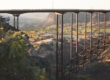
Most people have heard of Hells Canyon. Far fewer people have heard of Bruneau Canyon, which cuts through the high desert of southwestern Idaho and reaches depths of 800 feet with near-vertical walls of basalt and rhyolite dropping straight to the river below. The opposite rim sits 1,300 feet away. The canyon stretches 60 miles in total but there is only one readily accessible overlook.
The overlook itself has guardrails, a vault toilet, paved pathways, and interpretive signs explaining the canyon’s geological history. The BLM maintains it and describes it as the only readily accessible spot to view this spectacular canyon. The canyon appears with almost no warning, the high desert around it is flat and open, and the canyon only reveals itself once you’re nearly on top of it.
In late afternoon, the light catches the canyon walls and shifts the basalt and rhyolite from dark grey to amber. The drive from Bruneau takes about 30 to 40 minutes and combines easily with a visit to Bruneau Sand Dunes State Park, which is about 20 miles to the north.
What to know: In the town of Bruneau, turn east onto Hot Springs Road at the One Stop gas station on Highway 51. Drive approximately 15.5 miles, then turn right at the signed Bruneau Canyon Overlook junction. Follow the gravel road 3 more miles to the overlook parking area. Passenger cars handle the road fine in dry conditions. No entrance fee. Vault toilet on site. Bring water. Best visited spring or fall.
Ancient Idaho: Petroglyphs, Volcanic Craters, and Oregon Trail History You Can Touch
Idaho has been shaped by forces that go back long before anyone wrote them down. Volcanic eruptions, catastrophic floods, and thousands of years of human history left marks on this landscape that are still visible today. These three destinations put you in direct contact with all of it.
Celebration Park Petroglyphs, Melba

“Celebration Park” by cifraser1 is licensed under CC BY 2.0.
Less than an hour southwest of Boise, at the bottom of the Snake River Canyon near Melba, Idaho’s only archaeological park sits along the river where humans have lived for more than 12,000 years.
Celebration Park preserves Idaho’s largest accessible collection of petroglyphs, symbols, and figures chiseled into basalt boulders ranging from 100 to more than 10,000 years old. The Shoshone, Bannock, and Northern Paiute people are believed to have carved most of them, though the meaning of many images remains unknown.
The boulders are called melon boulders for their smooth, rounded shape. They were carried here by the catastrophic Bonneville Flood 15,000 years ago and deposited across the canyon floor. Walking among them and finding petroglyphs carved into the dark surfaces is a quietly remarkable experience.
What to know: Near Melba, Idaho, about 45 minutes southwest of Boise via Highway 45 and Highway 78. Day-use fee $2 per vehicle. Visitor center open 10 a.m. to 2 p.m. April through October, except holidays. Free guided tours during visitor center hours. Call 208-455-6022 for weekday visits. Open year-round 24/7.
Menan Buttes Volcanic Craters, Menan

“North Menan Butte” by BLMIdaho is licensed under CC BY 2.0.
Twenty miles north of Idaho Falls near Menan, two massive volcanic formations rise above the Snake River Plain in a way that doesn’t look like anything else in Idaho. The Menan Buttes are two of the world’s largest volcanic tuff cones, formed when magma erupted through water rather than rock.
About 10,000 years ago, magma pushed up through the cold waters of the Snake River and Henry’s Fork. When the molten rock hit the cold water, it cooled so quickly that crystals couldn’t form, solidifying instead into a glassy rock called tachylite. The water flashed to steam, shattering the glass into tiny fragments that welded together as hot ash settled to the ground, building the buttes layer upon layer. The Menan Buttes are the only volcanic eruptions in the United States known to have occurred in freshwater. North Menan Butte is a designated National Natural Landmark, Research Natural Area, and BLM Area of Critical Environmental Concern because of it.
The hike to the rim is steep, about half a mile of loose rocky trail with 500 feet of elevation gain. At the rim the crater drops up to 400 feet below you. A two-mile loop trail circles the summit. Views take in the Teton Range to the east, the St. Anthony Sand Dunes to the north, and the Snake River Plain in every direction. The geology underfoot — dark, jagged, intricately textured tachylite — looks unlike anything else in Idaho.
What to know: From Idaho Falls, take Highway 20 north toward Rexburg, then Highway 33 west toward Menan. Look for the signed BLM trailhead turnoff on the south side of Highway 33 before reaching Menan. The trailhead sits on the west side of the butte. No fee. Non-motorized recreation only. Bring water. Watch for rattlesnakes. Sturdy footwear with ankle support is strongly recommended.
Massacre Rocks State Park, American Falls

“Massacre Rocks State Park” by AllAroundTheWest is licensed under CC BY SA 2.0.
About 80 miles east of Twin Falls along Interstate 86 near American Falls, a stretch of basalt formations along the Snake River carries one of the most tangible connections to Oregon Trail history in the American West.
Emigrants called the narrow passage through the rock outcroppings “Devil’s Gate” because only one wagon could pass through at a time, and the tight canyon walls felt like a natural place for an ambush. Skirmishes between Shoshone and emigrant wagon trains did occur in August 1862, resulting in the deaths of ten emigrants, but historians have confirmed those attacks took place east of the park, not at the rocks themselves. The name Massacre Rocks stuck anyway and the park preserves that complicated history honestly.
What makes it worth visiting today is what you can still touch. Oregon Trail ruts pressed into the basalt are still visible and walkable. Register Rock, about two miles from the main entrance, preserves names and dates carved by pioneers in the 1840s and 1850s. Running your hand across carvings made by people traveling west 175 years ago is an experience no museum can replicate.
The park is also a strong wildlife destination. The Snake River corridor attracts bald eagles, great blue herons, white pelicans, and over 200 bird species throughout the year.
What to know: 3592 Park Lane, American Falls, off Interstate 86. Day-use fee $7 per vehicle. Idaho State Parks Passport accepted. Register Rock is about two miles from the main entrance with signs directing visitors. Open year-round. Dogs on leash welcome. Camping available with 42 sites with water and electric hookups.
Unexpectedly Strange Idaho: Ghost Towns, Haunted Prisons, and a Preserved Bordello
Idaho has ghost towns, haunted prisons, and a preserved bordello that closed in 1988 with the groceries still on the counter. These aren’t reconstructed history exhibits. They’re the real thing, left largely as they were, which is what makes them worth the detour.
Old Idaho Penitentiary Ghost Tours, Boise

“Gen pop cell block (7659470056)” by meesh from washington dc is licensed under CC BY 2.0.
Just east of downtown Boise, the Old Idaho Penitentiary operated as a functional prison from 1872 to 1973. During those 101 years, more than 13,000 inmates passed through its walls, including over 217 women and inmates as young as ten and eleven years old. At least 110 people died here. Ten of Idaho’s 11 state executions took place within these walls.
The prison was built by its own inmates, who quarried sandstone from nearby Table Rock and constructed the walls that would hold them. Solitary confinement came in two forms. The Cooler crammed four to six men into cells meant for one. Siberia held inmates in 3-by-8-foot concrete cells with no light, no plumbing, and no water. Three major riots eventually led the state to close the prison in 1973.
Ghost Adventures, The Lowe Files, Haunted Towns, and Destination Fear have all investigated the site. The Old Idaho Penitentiary’s own website notes that some visitors and investigators have captured unexplainable images on camera, while others claim to hear voices, be physically touched, or sense a heaviness when visiting, most often near Siberia and the Gallows Room in the Maximum Security cell house. The staff leaves it to each visitor to decide for themselves.
What to know: 2445 Old Penitentiary Road, Boise. Summer hours, Memorial Day through Labor Day, 10 a.m. to 5 p.m., last admission 4 p.m. Winter hours, 12 p.m. to 5 p.m., last admission 4 p.m. Guided tours available for an additional fee most days. Call 208-334-2844 for current tour times.
Silver City Ghost Town, Owyhee Mountains

“Silver City, ID ” by trekkyandy is licensed under CC BY-SA 2.0.
Getting to Silver City requires commitment. The road in is approximately 25 miles of rough dirt winding into the Owyhee Mountains from Murphy, passable for most vehicles in dry conditions from late spring through early fall. The people who make the drive consistently say it’s worth every mile.
Silver City is one of the best-preserved ghost towns in the American West. Founded in 1864 after silver was discovered at nearby War Eagle Mountain, it grew quickly into a significant center of the Idaho Territory. At its peak in the 1880s, the population reached around 2,500 people, with approximately 75 businesses including eight saloons, two hotels, and the first daily newspaper and telegraph office in the Idaho Territory. The town also had the first telephone and electric service in what is now Idaho.
About 70 original buildings from the 1860s through the early 1900s still stand. All are privately owned, many by descendants of the original miners. Silver City has had no electricity since 1940. The Idaho Hotel, originally established in Ruby City in 1863 and moved to Silver City in 1866 when it became the county seat, still operates seasonally. It runs on solar with 12-volt lighting, has 13 rooms with no outlets or in-room bathrooms, and serves meals in a dining room that feels remarkably unchanged. The Our Lady of Tears Catholic Church still stands. Services are held there several times a year.
The second weekend after Labor Day is the Silver City Open House, when private buildings open to the public for tours for a $10 donation. It’s the best day of the year to see inside buildings that are otherwise closed.
Silver City sits in a narrow canyon with steep mountain walls on every side. In late afternoon the light turns the weathered wood amber. There’s almost no sound except wind.
What to know: Approximately 75 miles southwest of Boise. Take Highway 78 south from Nampa to Murphy, then follow the signs to Silver City Road approximately 25 miles. High-clearance vehicle strongly recommended. Four-wheel drive helpful in wet conditions. Typically accessible late May through October. No services, no gas, no cell service. Bring food, water, and a full tank of gas. All buildings are privately owned, so it’s important to respect posted signs. No entrance fee for general access. Annual Open House, second weekend after Labor Day, $10 donation. Check historicsilvercityidaho.com for current Idaho Hotel hours and annual events.
The Oasis Bordello Museum, Wallace

“Bordello Museum, Wallace, Idaho, 1997.” by theslowlane is licensed under CC BY 2.0.
Two blocks from the Center of the Universe in downtown Wallace, a three-story brick building on Cedar Street holds one of the most unusual museums in the American West.
The Oasis Rooms operated continuously as a brothel from the 1890s until 1988, making it one of the last operating brothels in the continental United States. Word spread through Wallace in 1988 that federal authorities were on their way in. Madame Ginger and the women grabbed what they could carry and left everything else behind. The building sat locked and undisturbed for five years. When a local businessman bought it in 1993, he found the rooms exactly as they had been left with clothes, toiletries, Atari game systems, romance novels, price lists, liquor, and groceries still sitting in a bag on the kitchen counter. He opened it as a museum.
Walking through the rooms today they feel inhabited rather than exhibited. The tour explains the rushed departure through information gathered from former clients, staff, and the women themselves. Madame Ginger reportedly moved to Coeur d’Alene afterward and lived out her years comfortably on her savings.
Combined with the Center of the Universe stop and the Sierra Silver Mine Tour, the Oasis Bordello Museum makes Wallace one of the more unexpectedly rewarding half-days in northern Idaho.
What to know: 605 Cedar Street, Wallace, Idaho. Admission $5. Guided tours run on the half hour. Hours vary by season. Text 208-512-9239 with your name, number of guests, and requested date and time to confirm current hours and reserve a spot. The tour is presented for all ages.
Planning Your Idaho Trip

Idaho is a big state. The destinations in this guide span from the Owyhee Mountains in the southwest to the Menan Buttes in the east and Wallace in the north. Southern Idaho alone packs more unusual and unexpected experiences into a single road trip than most states offer across their entire footprint. A little planning goes a long way toward making the most of the drive.
Getting Around
A car is essential for everything on this list. Most destinations require rural highways, canyon roads, or dirt roads that public transportation doesn’t reach. A standard rental handles most stops. High-clearance is recommended for Silver City and Bruneau Canyon Overlook. Four-wheel drive is helpful in wet conditions for Silver City. If you’re combining multiple regions, plan your route before you go — Idaho’s geography rewards a logical loop rather than backtracking.
Best Time to Visit
Late May through early October covers most experiences on this list. A few specifics worth knowing:
- Soda Springs Geyser erupts year-round, 365 days a year
- Boat Box Hot Springs is accessible year-round but can be submerged during high water from April through early June
- The Old Idaho Penitentiary is open year-round with seasonal hours
- Bruneau Sand Dunes sandboard rentals stop when air temperature reaches 80 degrees — spring and fall mornings work best
- the St. Anthony Sand Dunes western area closes January 1 through April 1 for wildlife
- Minnetonka Cave runs Memorial Day weekend through late summer — closing dates vary by season
- Silver City is typically accessible late May through October depending on road conditions
- Celebration Park and Massacre Rocks are open year-round 24/7
- Nat-Soo-Pah Hot Springs is open approximately May 1 through Labor Day
- The Idaho Hotel in Silver City operates summers only
Where to Base Yourself
Southern Idaho: Twin Falls is the strongest base for the state’s most concentrated cluster of fun experiences. Idaho’s Mammoth Cave, Bruneau Sand Dunes, Blue Heart Springs, Nat-Soo-Pah Hot Springs, Dierkes Lake, Massacre Rocks, Celebration Park, and the Bruneau Canyon Overlook all sit within two hours. Southern Idaho is also the most accessible part of the state from Boise, making it ideal for a weekend trip without a long drive. For a complete overview of what the region has to offer, our things to do in Idaho guide covers southern Idaho and beyond in full detail.
Central Idaho: Idaho Falls or Stanley work best for central Idaho. Menan Buttes and St. Anthony Sand Dunes are within 35 miles of Idaho Falls. Boat Box Hot Springs is just north of Stanley. Soda Springs is about an hour south of Idaho Falls.
Northern Idaho: Coeur d’Alene or Spokane, Washington, are the best bases for northern Idaho. Wallace, the Center of the Universe, the Oasis Bordello Museum, and the Sierra Silver Mine Tour are all within an hour of Coeur d’Alene along Interstate 90.
What to Pack
A few things worth having regardless of where you’re going in Idaho:
- Water: Most destinations on this list have no services nearby. Bring more than you think you need.
- Gas: Fill up before heading to Silver City, Bruneau Canyon Overlook, or Celebration Park. There are no services at any of these locations.
- Light Jacket: Idaho’s Mammoth Cave and Minnetonka Cave both stay in the low 40s year-round regardless of outside temperature.
- Cash: The Oasis Bordello Museum admission is $5 cash. Silver City has no ATMs.
- Sturdy Footwear: Menan Buttes, Craters of the Moon caves, and the Bruneau Sand Dunes all have rough, uneven, or loose terrain. Ankle support matters.
- Flashlight: Essential for Craters of the Moon caves where the NPS recommends bringing at least two light sources per person. Also useful for Old Idaho Penitentiary night events.
- Cell Service: Expect limited or no cell service at Silver City, Bruneau Canyon Overlook, and parts of the Owyhee Mountains. Download maps and directions before you leave.
Commonly Asked Questions About Fun Things to Do in Idaho
Planning a trip to Idaho and not sure where to start? These are the questions visitors ask most before heading out.
What are the most unique things to do in Idaho?
Idaho’s most unique experiences include self-guided tours through Idaho’s Mammoth Cave near Shoshone, kayaking to Blue Heart Springs, watching the world’s only captive geyser erupt on a timer in Soda Springs, and soaking in the Boat Box Hot Springs tub next to the Salmon River near Stanley. These are experiences that don’t exist anywhere else.
What are fun things to do in southern Idaho?
Southern Idaho has a strong concentration of unusual experiences within a short drive of Twin Falls. Idaho’s Mammoth Cave near Shoshone offers a self-guided lava tube tour with two natural history museums on site. Blue Heart Springs near Hagerman requires a kayak but has electric blue water unlike anything else in the state. Bruneau Dunes has the tallest single-structured sand dune in North America. Nat-Soo-Pah near Hollister has a geothermally heated pool with a 90-foot waterslide.
What are fun things to do in northern Idaho?
Wallace is worth a stop on its own with the Center of the Universe manhole cover, the Oasis Bordello Museum, the Sierra Silver Mine Tour, and the Route of the Hiawatha bike trail all within walking distance. Minnetonka Cave near Bear Lake offers guided tours through nine chambers of limestone cave at 7,700 feet elevation.
What are fun outdoor things to do in Idaho?
Idaho’s best outdoor experiences include sandboarding Bruneau Dunes, kayaking to Blue Heart Springs, cliff jumping at the Hidden Lakes near Twin Falls, spelunking through lava tubes at Craters of the Moon, hiking into the crater at Menan Buttes, and walking Oregon Trail ruts at Massacre Rocks State Park.
What are fun things to do in Idaho with kids?
Idaho’s Mammoth Cave works well with kids. The self-guided lantern tour, the museums full of fossils and taxidermy, and the Cold War history all hold attention. The Soda Springs Geyser is free and erupts on the hour. Celebration Park near Melba has the only atlatl range west of the Mississippi. Nat-Soo-Pah Hot Springs has a heated pool with a waterslide and diving boards.
What’s the most fun thing to do in Idaho that most people don’t know about?
Kayaking to Blue Heart Springs, standing on the Center of the Universe manhole cover in Wallace, and soaking in Boat Box Hot Springs next to the Salmon River all qualify as genuinely fun experiences most people outside Idaho have never heard of. For underground enthusiasts, Idaho’s Mammoth Cave near Shoshone, a volcanic lava tube with cyanobacteria glowing silver on the walls, two natural history museums, and a Cold War fallout shelter, is the most surprising attraction in the state.
Looking for even more ways to explore the state? Our complete guide to things to do in Idaho covers everything from scenic drives and family-friendly attractions to outdoor adventures across every region of Idaho.
About the Author

Katie Ann Olsen
Katie Ann Olsen is the managing owner of Idaho’s Mammoth Cave and a lifelong Idahoan whose connection to the property runs deep. She is the daughter of founder Richard Arthur Olsen, whose passion for natural history and the outdoors helped shape the cave into what it is today.
Raised by an avid hunter and collector of natural history from around the world, Katie spent much of her childhood exploring remote corners of Idaho that most people never experience. That upbringing gave her a deep appreciation for the state’s landscapes, history, geology, and hidden places. She knows Idaho not as a tourist, but through a lifetime of living, exploring, and experiencing it firsthand.
After her father’s passing in 2019, Katie stepped into the role of managing owner and has spent the years since restoring and preserving the property, continuing her father’s vision of creating a place dedicated to the education and enjoyment of visitors and encouraging a deeper appreciation for the natural world and its creator.
Katie is also a passionate writer whose love for Idaho’s history, geology, caves, and landscapes influences much of what she shares about the state and the stories connected to it.