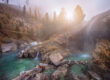
“The Malad Gorge in Idaho” by thejesse is licensed under CC BY-SA 2.0.
Idaho is known for dramatic landscapes shaped by ancient volcanic forces, and few places make that history as visible as Malad Gorge State Park. Located near Hagerman in southern Idaho, the gorge cuts through the Snake River Plain with striking precision, revealing basalt walls, cascading waterfalls, and a rushing river below. The park sits along the Snake River Canyon corridor, a region already rich with natural wonders, making it an easy addition to any southern Idaho road trip. Whether you stop for a short walk to the overlook or linger for a full afternoon, Malad Gorge is one of the most beautiful places to visit in Idaho.
A Canyon Carved by Ancient Water

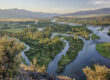
“West on Malad Gorge, Apr 17” by An Errant Knight is licensed under CC BY-SA 4.0.
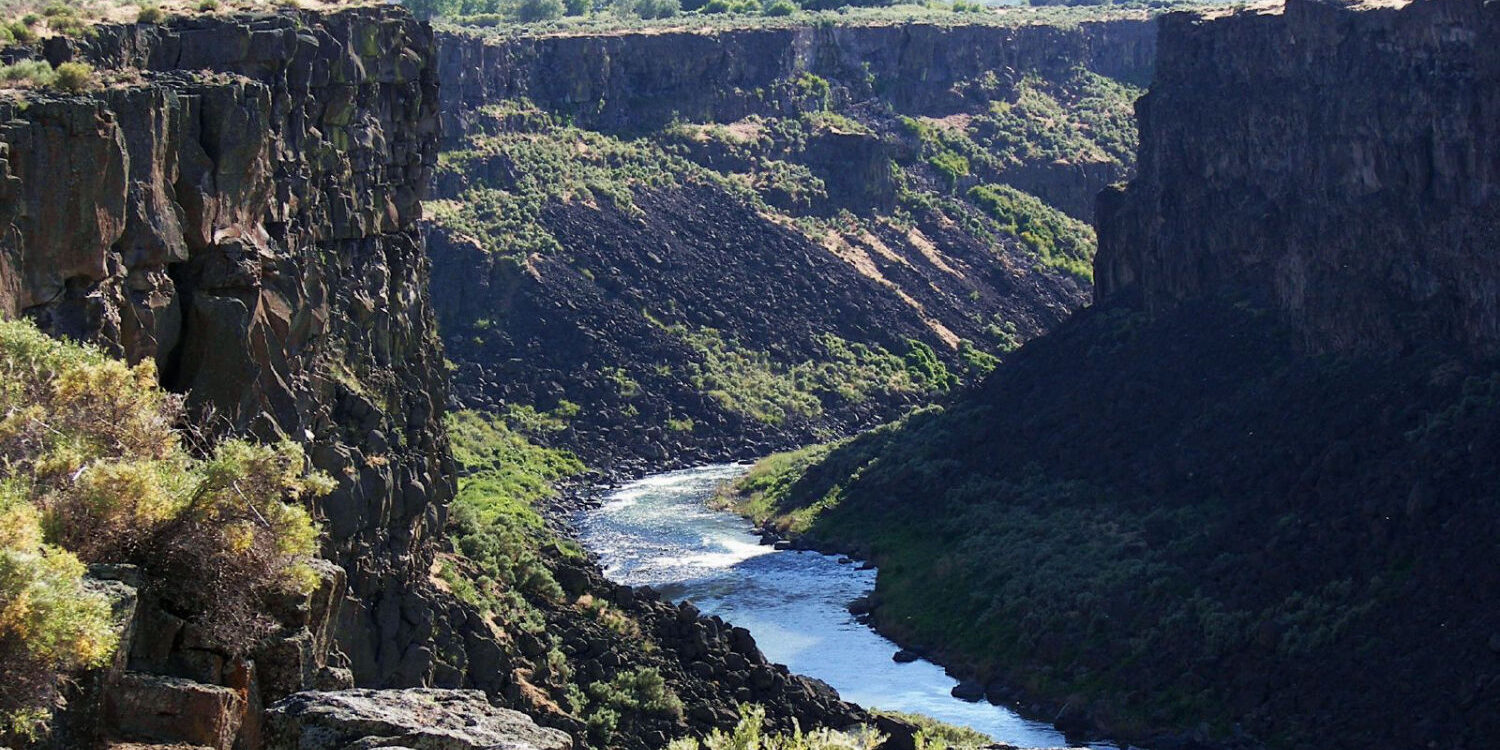
Malad Gorge is part of Thousand Springs State Park, a collection of natural areas spread along the Snake River. The gorge itself was carved by the Malad River, a short but powerful waterway that runs just 12 miles before emptying into the Snake River. The river is fed by springs that emerge from the canyon walls, part of a vast underground aquifer system that draws water from as far away as eastern Idaho, filtering it through porous lava rock before releasing it here in the form of cascading waterfalls and swift currents.
The canyon walls drop sharply — reaching depths of 250 feet in places — exposing layer upon layer of dark basalt along a gorge that stretches 2.5 miles downstream to the Snake River. These rock layers tell the story of repeated lava flows that once covered this entire region, stacking up over millions of years before erosion carved the gorge into its current form. The result is a narrow, steep-sided chasm that feels almost out of place against the flat agricultural plains surrounding it, which is part of what makes the first glimpse of it so striking.
The Devil’s Washbowl

“Devils Wash Bowl under I-84 (closer), Apr 17” by An Errant Knight is licensed under CC BY-SA 4.0.
One of the most distinctive features of Malad Gorge is a natural formation known as the Devil’s Washbowl. At this point, the Malad River crashes down a series of stairstep falls, dropping approximately 60 feet before plunging into a circular pool carved into the basalt below. The combination of the waterfall feeding into the pool and the sheer canyon walls surrounding it makes for one of the more dramatic natural views in southern Idaho.
A footbridge spans the gorge near this formation, giving visitors a chance to stand directly above the rushing water and take in the full depth of the canyon. The view from the bridge looks both upstream and downstream, revealing just how quickly the landscape changes from open plain to sheer-walled gorge. On clear days, the contrast between the dark basalt, the white water below, and the blue sky above is especially striking.
A River With a History

“Idaho Road Trip July 2019” by lovz2hike is licensed under CC BY-SA 2.0.
The Malad River carries more history than its short length might suggest. Hudson Bay trappers led by Donald McKenzie gave the river its name in 1819, using the French word for “sickly” after members of the party became ill eating beaver tail from an animal that had fed on poisonous water hemlock along the banks.
The gorge also preserves physical traces of the Oregon Trail era. Look closely along the basalt rim and you can find wagon ruts carved into the rock by freight wagons that traveled the historic Kelton Road between 1869 and 1879, carrying mail, freight, and passengers between Boise and the railhead at Kelton, Utah. Petroglyphs have also been documented in the area, including one believed to depict a map of the Malad River itself. For a park that most drivers pass without stopping, Malad Gorge holds a remarkable amount of layered history.
Getting to Malad Gorge State Park

“Malad Gorge State Park” by AllAroundTheWest is licensed under CC BY-SA 2.0.
Malad Gorge State Park sits just off Interstate 84 near Hagerman, making it one of the more accessible state parks in southern Idaho. From Twin Falls, the drive west on I-84 takes roughly 30 minutes. From Boise, it’s approximately 100 miles heading east, or about 1 hour and 45 minutes. The park entrance is well-marked from the highway at the Tuttle exit, and the parking area is a short walk from the main overlook and bridge.
Road conditions are generally reliable year-round, though spring can bring higher water levels and more dramatic waterfall flow. Summer visits offer warm temperatures and long daylight hours, while fall brings cooler air and fewer crowds. Winter is quieter still, and while the park remains accessible for walk-ins year-round, the back gate is closed to motor vehicles from after Labor Day weekend through Memorial Day weekend.
What to Know Before You Go
Fees & Hours
Malad Gorge is part of Thousand Springs State Park, which charges a $7 per vehicle day-use fee. An Idaho State Parks Passport, available for $10 annually, covers entry to all Idaho state parks. Out-of-state visitors can purchase a Motor Vehicle Entry Fee (MVEF) annual sticker for $80, which waives the $7 per day entrance fee. The park is open year-round for day use from sunrise to sunset. Note that Malad Gorge is a day-use only park — there are no on-site camping facilities. Camping is available nearby at Billingsley Creek Campground, which offers full hookup RV sites along the Snake River.
Trail Conditions
The main trail to the overlook and bridge is short and relatively flat, making it accessible for most visitors. The path does run close to the canyon rim in places, so staying on marked trails and keeping a close eye on children is important. Footwear with good traction is recommended, especially if the ground is wet.
Weather & Sun Exposure
Southern Idaho’s high desert climate means hot summers and cold winters. The overlook area offers little shade, so bring water and sun protection during warmer months. Spring and early summer tend to offer the most dramatic water flow from the falls.
Pets
Leashed pets are generally welcome in the day-use areas. Keep them away from the canyon rim and follow any posted guidelines during your visit.
Seasons at Malad Gorge
Spring
Spring brings the highest water flow to the gorge, fed by snowmelt and seasonal runoff. The Malad River runs fast and full, and the falls feeding into the Devil’s Washbowl are at their most powerful. Wildflowers begin to appear along the canyon rim, adding color to the dark basalt backdrop. Spring is widely considered the best time of year to see the waterfall at its most dramatic.
Summer
Summer is the most popular time to visit, with warm temperatures and long days making the drive easy and the overlook comfortable. The open terrain means little shade, so morning visits are often more comfortable than midday. The canyon walls catch the sun at different angles throughout the day, shifting from deep shadow to bright contrast.
Fall
Cooler temperatures and smaller crowds make fall a pleasant time to visit. The surrounding farmland begins to change color, and the canyon itself takes on a quieter mood. Water levels are lower in fall, but the gorge remains impressive and the light is often excellent for photography.
Winter
Winter visits are less common but can be rewarding for those willing to bundle up. The canyon walls take on a stark, monochromatic quality, and the reduced water flow reveals more of the basalt formations. The back gate is closed to motor vehicles in winter, but walk-in access remains available. Ice can form along the rim, so caution is warranted near the edges.
Nearby Attractions

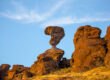
“Malad Gorge, Snake River” by brewbooks is licensed under CC BY-SA 2.0.
Malad Gorge sits in the heart of the Hagerman Valley, a stretch of southern Idaho with a surprising concentration of natural and historical sites within a short drive.
- Thousand Springs: Just north along the Snake River, springs pour directly from the canyon walls in one of Idaho’s most photographed natural scenes. Several units of Thousand Springs State Park are clustered in this area, including Ritter Island and Niagara Springs.
- Hagerman Fossil Beds National Monument: A short drive south, this monument preserves one of the world’s richest deposits of Pliocene-era fossils, including the Hagerman Horse, an ancestor of the modern horse.
- Shoshone Falls: About 45 minutes east near Twin Falls, Shoshone Falls drops 212 feet into the Snake River Canyon, earning it the nickname the Niagara of the West.>
- Idaho’s Mammoth Cave: About an hour northeast near Shoshone, Idaho’s Mammoth Cave offers a self-guided tour through one of the largest volcanic lava tubes open to the public in the United States.
Why Malad Gorge Is a Beautiful Place to Visit in Idaho
Malad Gorge packs a remarkable amount of visual drama into a relatively compact area. The canyon’s steep basalt walls, the force of the water carving through them, and the views from the footbridge combine to create an experience that feels significant even on a short visit. Unlike some of Idaho’s larger wilderness destinations that require long drives or overnight stays, Malad Gorge is easy to reach, easy to explore, and consistently rewarding for the effort.
The gorge also carries layers of history that most visitors don’t expect — from the French trappers who named the river in 1819 to the Oregon Trail wagon ruts still visible in the basalt today. That combination of geological spectacle and human history makes Malad Gorge more than just a scenic overlook. It’s a place where Idaho’s deep past is still visible on the surface.
For travelers moving through the Snake River corridor or building a southern Idaho itinerary, Malad Gorge is a stop that earns its place on the list. It doesn’t require much time, but it tends to leave a strong impression. See our complete guide to beautiful places to visit in Idaho for more destinations worth adding to your trip.
10 Quick Facts About Malad Gorge State Park
- Location: Situated near Hagerman in southern Idaho, just off Interstate 84 at the Tuttle exit.
- Part of Thousand Springs: Malad Gorge is one of several units within Thousand Springs State Park, managed by the Idaho Department of Parks and Recreation.
- Canyon Depth: The gorge walls reach depths of 250 feet, exposing layer upon layer of ancient basalt.
- Gorge Length: The Malad River cuts through 2.5 miles of canyon before reaching the Snake River.
- The Devil’s Washbowl: The Malad River drops approximately 60 feet down a series of stairstep falls into a naturally carved circular pool — one of the park’s most dramatic features.
- Footbridge Views: A bridge spanning the gorge gives visitors a direct view down into the canyon and over the waterfall below.
- Day-Use Only: Malad Gorge has no on-site camping. Nearby Billingsley Creek Campground offers the closest overnight accommodations.
- Name Origin: Hudson Bay trappers named the Malad River in 1819 using the French word for “sickly,” after members of the party became ill along its banks.
- Oregon Trail History: Wagon ruts from the historic Kelton Road are still visible carved into the basalt rock near the gorge.
- Easy Access: One of the more accessible state parks in southern Idaho, with a short walk from the parking area to the main overlook and footbridge.
Idaho’s Mammoth Cave

Planning a trip to Idaho? Don’t forget to put Idaho’s Mammoth Cave at the top of your list. As one of the most beautiful places to visit in Idaho, you can explore a unique and awe-inspiring underground landscape at your own personal pace with our self-guided tours. In addition to the cave, there are two privately owned museums of natural history on-site, the Shoshone Bird Museum and the Richard Arthur Olsen Museum featuring a wealth of exhibits that has earned them nickname “The Smithsonian of the Desert,” making it an unforgettable stop for the whole family.
Located eight miles north of Shoshone, Idaho, on Highway 75, Idaho’s Mammoth Cave will be open for seasonal tours from May – October, from 10 a.m. to 6 p.m. (with the last tours of the day going out at 5 p.m.), 7 days a week, including all major holidays. For more information, visit idahosmammothcave.com or call (208) 329-5382.
For a complete statewide travel guide, see our Idaho travel and attractions guide.