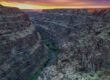
“Snake River Area of Critical Environmental Concern, Idaho” by mypubliclands is licensed under CC BY 2.0.
There’s a stretch of eastern Idaho where the landscape doesn’t announce itself. The road rises quietly through pine forest, the air gets cooler, and then the Henry’s Fork comes into view for the first time. That’s Island Park. It sits at around 6,300 feet in elevation inside one of the largest volcanic calderas in the world, surrounded by Caribou-Targhee National Forest and less than 30 minutes from the west entrance to Yellowstone National Park. For anyone who’s spent time here, it’s one of the most beautiful places to visit in Idaho.
A Landscape Shaped by Ancient Volcanic Forces

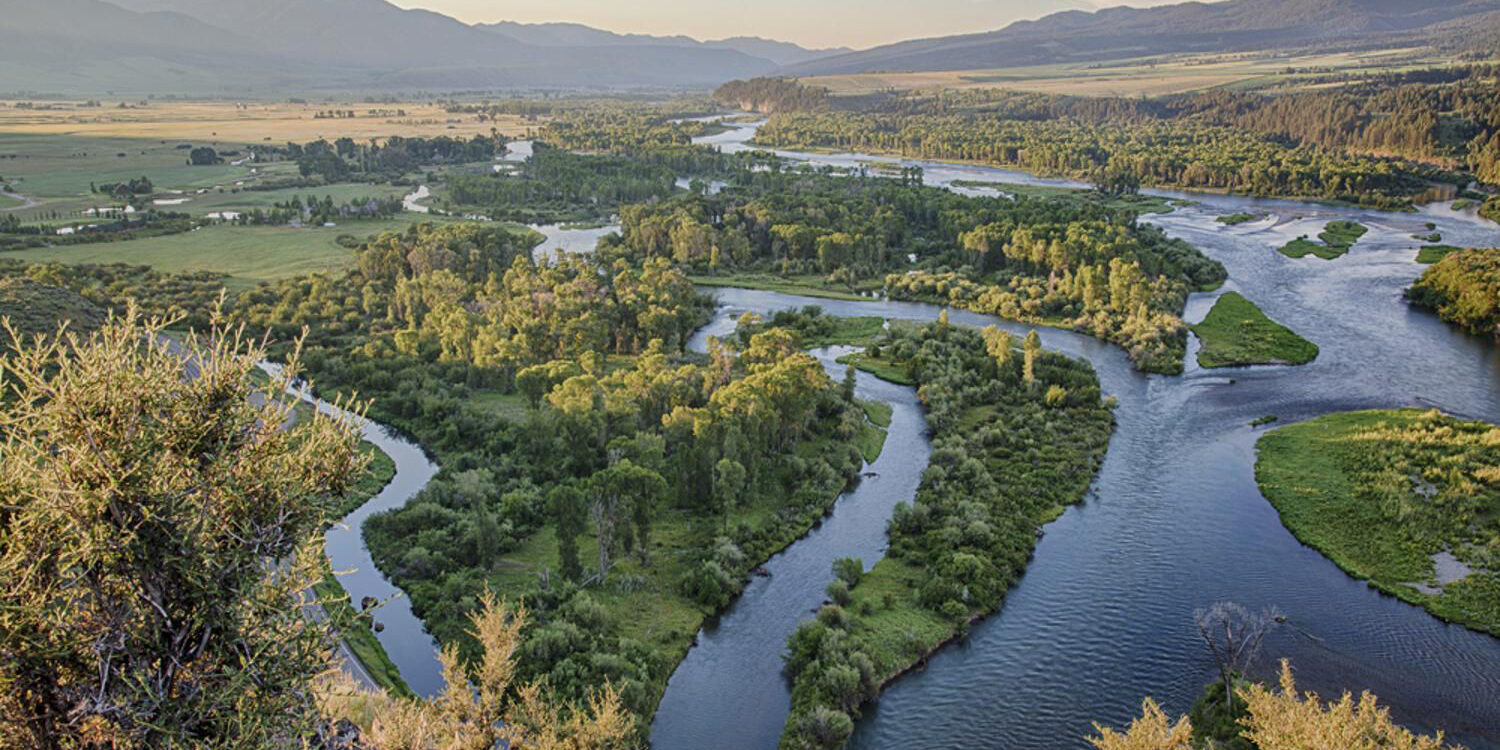
“Snake River Area of Critical Environmental Concern, Idaho” by mypubliclands is licensed under CC BY 2.0.
Island Park sits inside the Island Park Caldera, a collapsed volcanic structure roughly 23 miles across. The same volcanic forces that shaped Yellowstone shaped this place. That geological history is visible everywhere. The forests grow from rich volcanic soil. The springs push crystal clear water out of fractured lava rock. The rivers run cold and fast over gravel beds formed by ancient flows
The result is a landscape that feels both wild and livable at the same time. Dense lodgepole pine forests stretch in every direction. Meadows open up without warning along the river corridors. Mountains rise at the edges. The sky here is big and the light changes fast. It’s the kind of place that looks different every hour of the day.
Big Springs

“Big Springs, Island Park, Idaho” by Aihouma is licensed under CC BY 4.0.
Big Springs is one of the most remarkable natural features in Idaho and most people outside the state haven’t heard of it.
More than 120 million gallons of water pour out of the ground here every single day. The water comes from the Yellowstone Plateau, filtering through fractured rhyolite lava rock before surfacing at a consistent temperature of 52 degrees year-round. The pool it forms is completely clear. The bottom is scattered with black obsidian pebbles. Standing at the bridge above it, you can see everything in sharp detail several feet down.
Big Springs is the only first-magnitude spring in the United States that issues directly from rhyolite lava flows. It was designated a National Natural Landmark in 1980. It’s the primary headwater source for the Henry’s Fork of the Snake River.
Large rainbow and brook trout gather at the bridge. Fishing isn’t permitted here. The trout are protected, which means they’re enormous and completely unbothered by people. Watching them from the bridge is something worth doing slowly.
A half-mile ADA-accessible trail circles the springs. Osprey, bald eagles, moose, white-tailed deer, and muskrats are all regularly spotted along it.
Henry’s Fork of the Snake River

“Henrysforksnakeriver 130124” by James N Perdue is licensed under CC BY-SA 4.0.
The Henry’s Fork of the Snake River runs through the middle of Island Park and it’s impossible to talk about the place without talking about the river.
It moves slowly through open meadows in the upper stretches, the kind of river that reflects the sky and makes everything around it feel quieter. Moose wade in the shallows in the early morning. Osprey work the bends. The water is cold and clear and the gravel bottom is visible in most sections.
Even if you’re not interested in fishing, the river is worth following. The Henry’s Fork float from Mack’s Inn is a two-hour scenic float through some of the most peaceful stretches of river in Idaho. Moose sightings on the float are common. The scenery is the kind that makes people stop talking and just look.
Seasons in Island Park

“2017 Mountain States – Island Park, Idaho” by dconvertini is licensed under CC BY-SA 2.0.
Spring
Spring arrives slowly at this elevation. Snow lingers into May in many years. When it clears, the meadows green up quickly and wildflowers appear along the river corridors. The Henry’s Fork runs full and fast with snowmelt. Wildlife is active and visible. It’s a good time to visit if you prefer fewer people and don’t mind unpredictable weather.
Summer
Summer is the most popular season and for good reason. The days are long and warm. The forest is full. The river floats are running. Big Springs is at its most accessible. The light in the evenings, when it comes through the pine forest at a low angle, is difficult to describe and worth seeing in person.
Autumn
Fall is arguably the most beautiful season in Island Park. The aspen groves turn gold in late September and early October. The meadows along the Henry’s Fork shift color and the air gets sharp. Elk are active during the rut. The crowds drop off sharply after Labor Day. The fishing improves. It’s a season worth planning around.
Winter
Winter transforms Island Park completely. The snowpack is deep and reliable. Snowmobiling is a major draw, with hundreds of miles of groomed trails connecting Island Park to West Yellowstone and beyond. Cross-country skiing and snowshoeing are quieter alternatives. The lodges stay open. The landscape under snow, with the pine forest loaded and the meadows white and flat, has a stillness that’s hard to find anywhere else in Idaho.
Getting There
Island Park sits along U.S. Highway 20 in eastern Idaho, roughly 90 miles northeast of Idaho Falls and about 28 miles south of West Yellowstone, Montana. The drive from Idaho Falls takes about an hour and a half. From Boise, it’s roughly four and a half hours east on Interstate 84 to U.S. 20 north.
The main corridor through Island Park runs 33 miles along U.S. 20, often called the longest Main Street in America. Most of the major destinations, Big Springs, Mack’s Inn, and the surrounding forest roads, are all accessible directly from this road.
From Shoshone and Idaho’s Mammoth Cave, Island Park is about two and a half hours northeast on Highway 75 to U.S. 20.
Nearby Attractions

“Snake River Area of Critical Environmental Concern, Idaho” by mypubliclands is licensed under CC BY 2.0.
- Yellowstone National Park: About 28 miles north. The west entrance near West Yellowstone is the closest access point. Island Park is a quieter and often less expensive base than staying in West Yellowstone itself.
- Grand Teton National Park: About 90 minutes southeast via Highway 20 and U.S. 89. The Tetons are visible from parts of the Island Park area on clear days.
- Harriman State Park: A 16,000-acre wildlife refuge along the Henry’s Fork just south of Island Park. Home to trumpeter swans, moose, elk, and bald eagles.
- Mesa Falls: A short drive south on Highway 47. Upper Mesa Falls drops 114 feet and is one of the last undisturbed major waterfalls in the Pacific Northwest.
- Idaho’s Mammoth Cave: About two and a half hours southwest near Shoshone. A self-guided tour through one of the largest volcanic lava tubes open to the public in the United States.
Why Island Park Is a Beautiful Place to Visit in Idaho
Island Park isn’t one thing. It’s a volcanic caldera, a world-class river, and one of the most productive springs in the country, all within a short drive of each other.
What makes it beautiful is the combination. The Henry’s Fork running through open meadow. The forest pressing in from every side. The clarity of the water at Big Springs. The wildlife showing up without any effort on your part.
None of it’s manufactured. The land has been protected and largely left alone. That’s rare. It’s what makes Island Park feel different from most places people visit in the American West, and it’s what keeps people coming back.
10 Quick Facts About Island Park
- Elevation: Island Park sits at approximately 6,300 feet above sea level, keeping it noticeably cooler than much of southern Idaho even in midsummer.
- Volcanic Caldera: The area sits inside the Island Park Caldera, one of the largest calderas in the world at roughly 23 miles across, formed by ancient eruptions connected to the Yellowstone hotspot.
- Longest Main Street: U.S. Highway 20 runs 33 miles through Island Park, earning it the nickname the longest Main Street in America.
- Big Springs: One of the 40 largest springs in the country, producing over 120 million gallons of water daily at a constant 52 degrees. It’s the only first-magnitude spring in the United States that issues from rhyolite lava flows and a designated National Natural Landmark.
- Henry’s Fork: One of the finest dry fly fisheries in the country, the Henry’s Fork of the Snake River begins at Big Springs and flows south through Island Park.
- Wildlife: Moose, elk, bears, bison, trumpeter swans, bald eagles, and osprey are all regularly seen in the Island Park area.
- Yellowstone Gateway: Island Park sits about 28 miles south of Yellowstone National Park’s west entrance, making it one of the closest Idaho communities to the park.
- Forest: The area is surrounded on nearly all sides by Caribou-Targhee National Forest, one of the largest national forests in the American West.
- Snowmobiling: Island Park is one of the premier snowmobile destinations in the country, with hundreds of miles of groomed trails connecting to West Yellowstone, Montana.
- Year-Round Destination: Island Park draws visitors in every season, from summer river floats and wildlife viewing to world-class winter snowmobiling and spring wildflower meadows.
Idaho’s Mammoth Cave

Planning a trip to Idaho? Don’t forget to put Idaho’s Mammoth Cave at the top of your list. As one of the most beautiful places to visit in Idaho, you can explore a unique and awe-inspiring underground landscape at your own personal pace with our self-guided tours. In addition to the cave, there are two privately owned museums of natural history on-site, the Shoshone Bird Museum and the Richard Arthur Olsen Museum featuring a wealth of exhibits that has earned them nickname “The Smithsonian of the Desert,” making it an unforgettable stop for the whole family.
Located eight miles north of Shoshone, Idaho, on Highway 75, Idaho’s Mammoth Cave will be open for seasonal tours from May – October, from 10 a.m. to 6 p.m. (with the last tours of the day going out at 5 p.m.), 7 days a week, including all major holidays. For more information, visit idahosmammothcave.com or call (208) 329-5382.
For a complete statewide travel guide, see our Idaho travel and attractions guide.