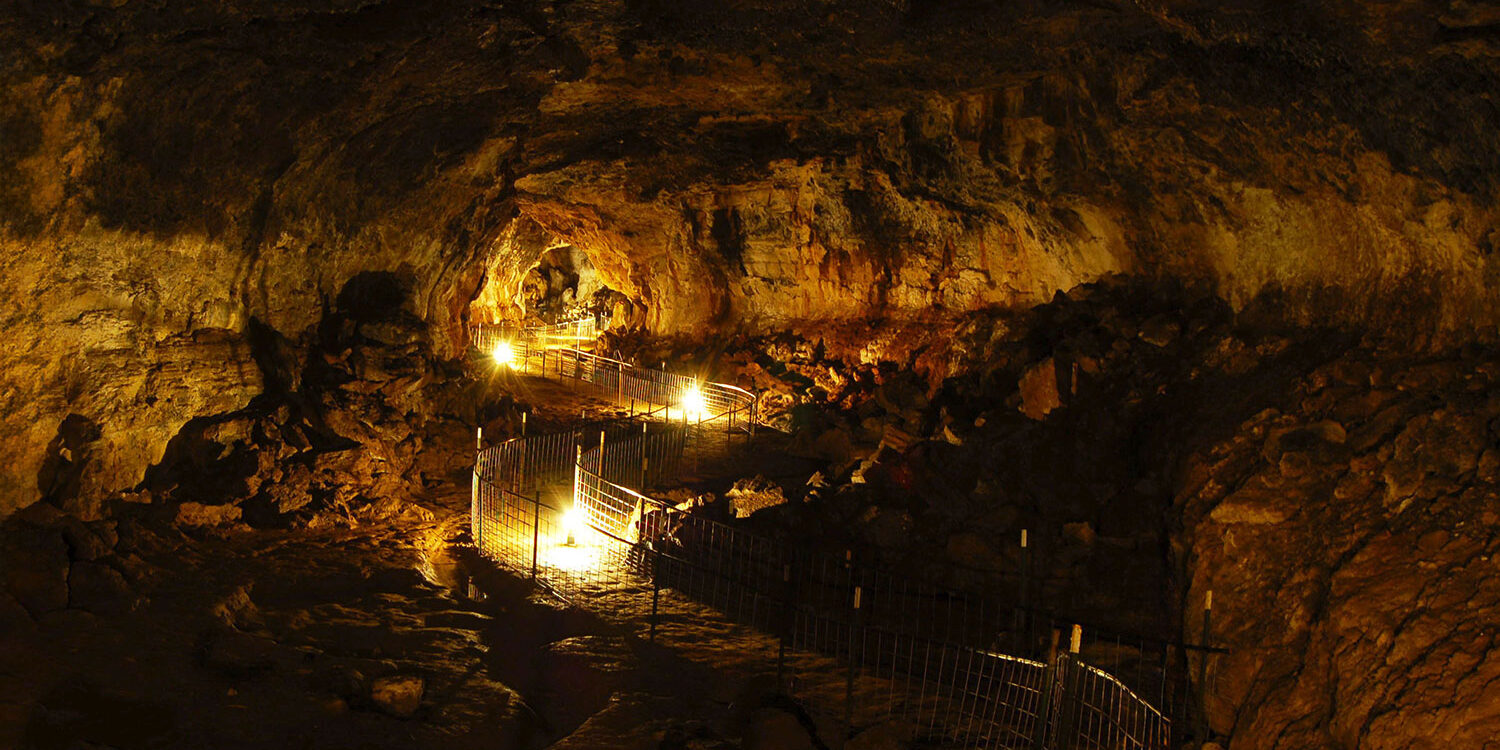
If you’re searching for unforgettable things to do in Idaho, Idaho’s Mammoth Cave is one of the most unique places you can visit. It’s not just a cave; it’s a natural record of Southern Idaho’s volcanic history. Whether you’ve visited us before or are planning your first trip, there’s a lot to learn and love about this one-of-a-kind destination. Here are some fun and fascinating facts you might not know about Idaho’s Mammoth Cave.
It’s One of the Largest Volcanic Caves Open to the Public
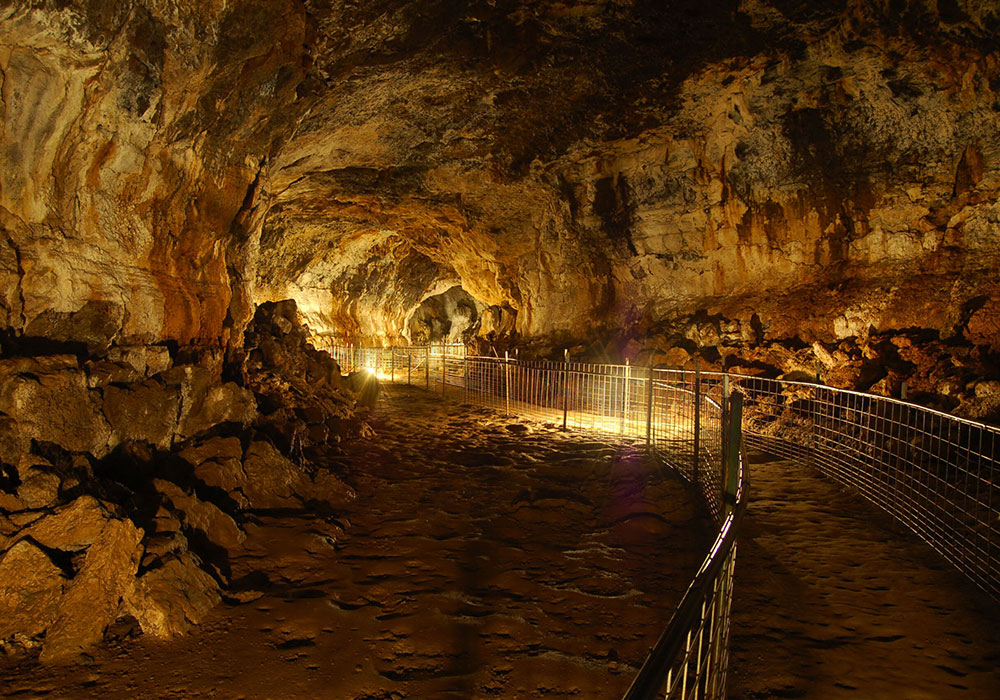
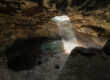
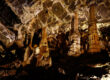
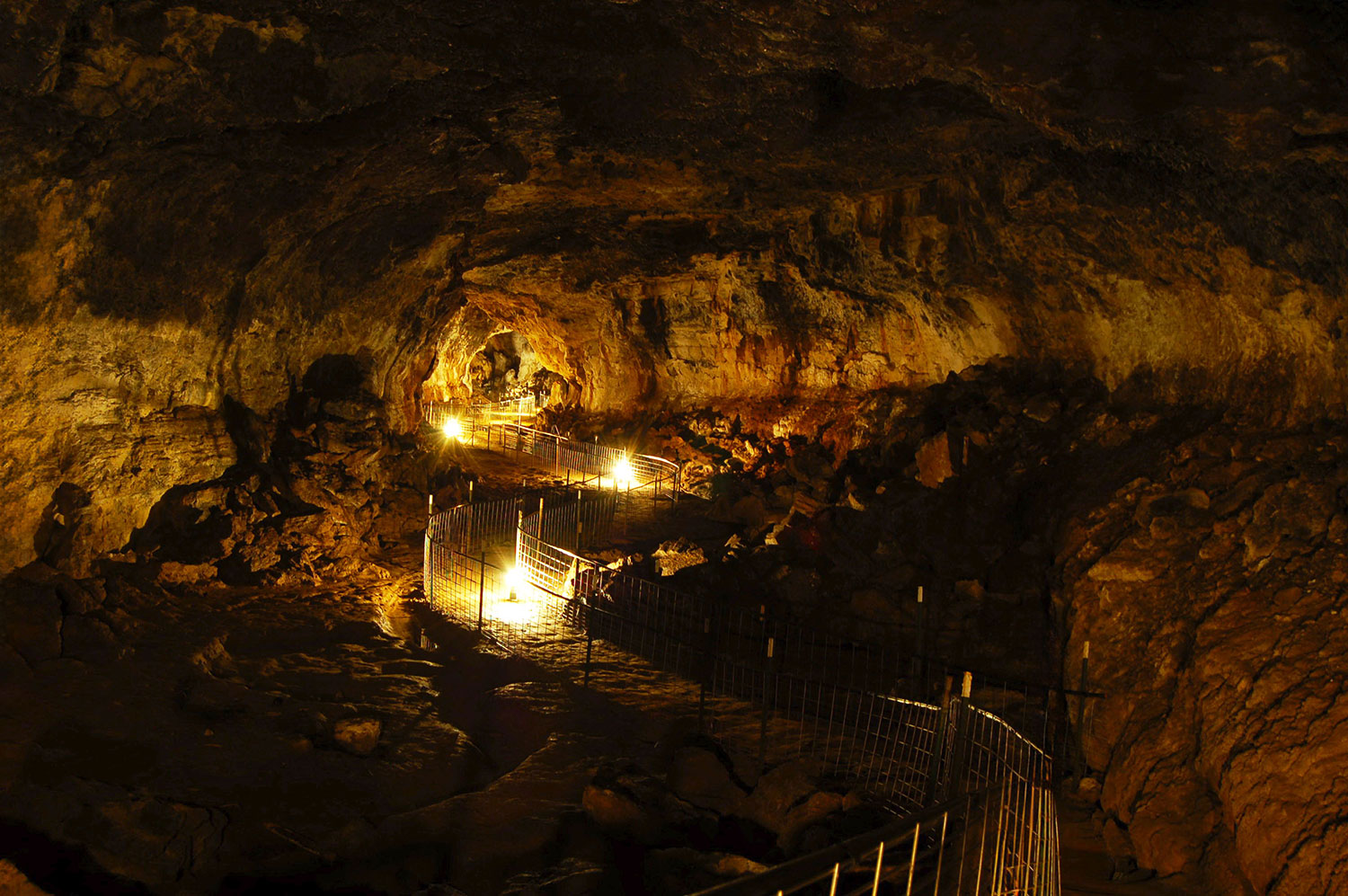
Idaho’s Mammoth Cave isn’t just a fun name; it’s actually one of the largest lava tube caves in the world open to the public. Formed by ancient volcanic activity, this cave stretches for about half a mile in total. Visitors walk a self-guided trail that takes them a quarter-mile into the cave and back out again, making it a full half-mile round trip underground.
The wide walking path makes it easy for most people to explore at their own pace. There’s no need to squeeze through tight spaces or worry about getting lost. With its size and accessibility, it’s a great place for families, first-time cavers, and curious adventurers of all ages.
It Was Discovered by Richard Arthur Olsen

Idaho’s Mammoth Cave was discovered in 1954 by a young man named Richard Arthur Olsen. While hunting bobcats in the area with his girlfriend, Richard stumbled upon the cave and immediately recognized it as something special. With hard work, vision, and dedication, he opened it up to the public and began sharing its wonder with the world.
Richard’s discovery changed the course of his life and left a lasting impact on the area. What started as a chance find grew into a beloved family-run attraction. Today, the cave and its surrounding museums are still cared for by Richard’s family, who continue his legacy by welcoming thousands of visitors each year.
The Cave Was Used by Native Tribes
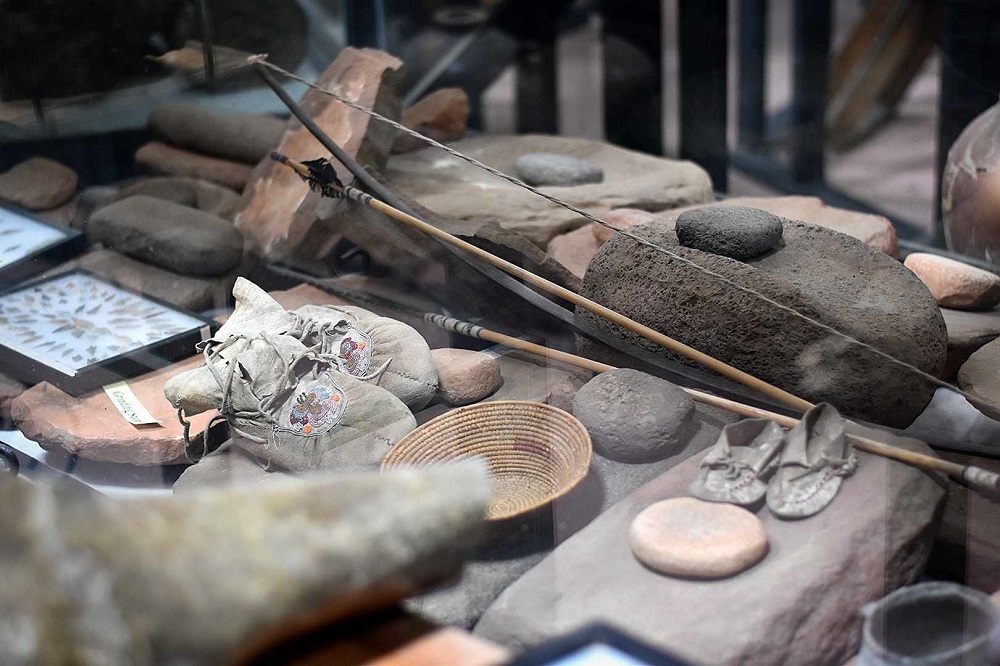
Long before Idaho’s Mammoth Cave became a natural attraction, it served a very practical purpose for the Shoshone and Bannock tribes. These Indigenous groups used the naturally cool cave as a place to store meat and supplies. The constant temperature helped preserve food, making it easier to survive Idaho’s extreme seasons.
Knowing that Native people once relied on the cave adds a powerful layer of meaning to your visit. It wasn’t just a shelter or a hiding place; it was a resource, used with skill and understanding. Standing in the same space they once did helps connect today’s visitors to a long history of human resilience and ingenuity in the region.
It Was Once a Fallout Shelter During the Cold War
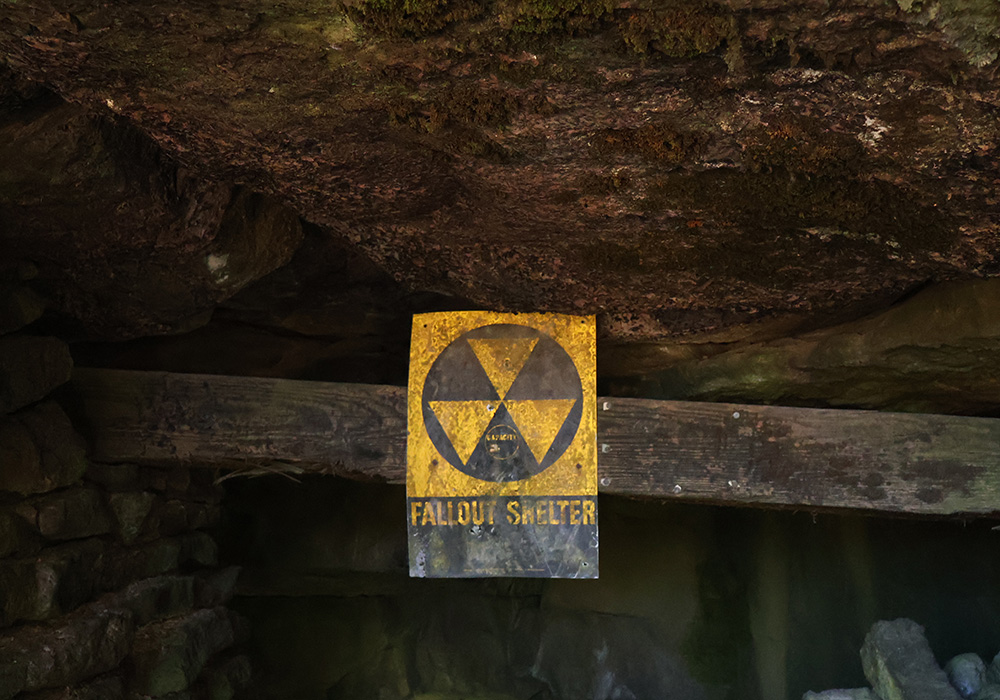
In the 1960s, during the height of the Cold War, Idaho’s Mammoth Cave was evaluated as a possible fallout shelter. The state gave it an exceptionally high safety score based on its natural protection and underground size. Officials believed the cave could shelter up to 8,000 people in the event of a nuclear emergency.
Thankfully, the cave was never needed for that purpose, but the story gives it an unexpected place in American history. It’s wild to think that this peaceful tourist stop was once part of serious national defense planning. When you visit, you’re not just exploring a cave; you’re stepping into a site that has seen many layers of historical significance.
The Walls Are Covered With Ancient Life
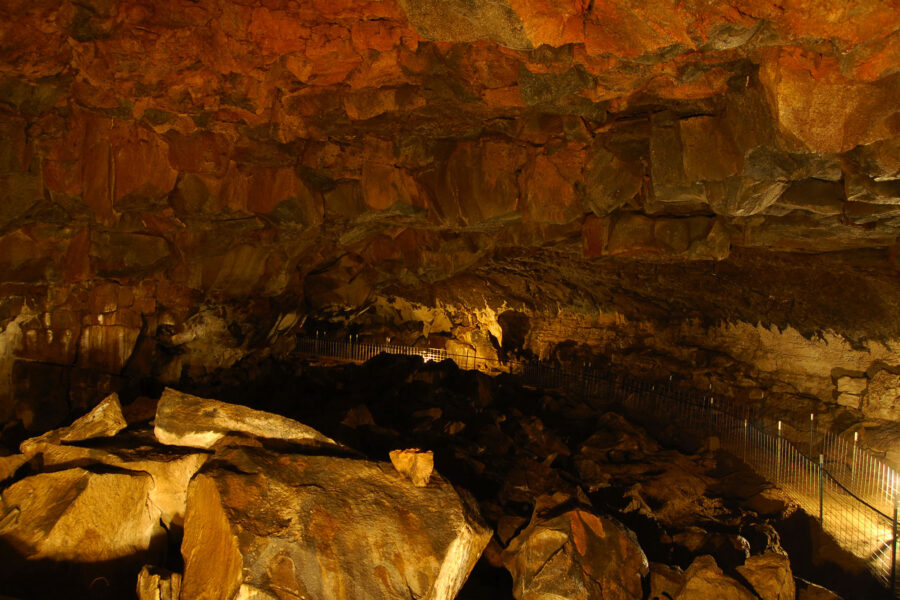
Look closely at the cave walls, and you’ll notice a shimmering, silver sheen. That’s not just mineral buildup—it’s cyanobacteria, an ancient microorganism that has existed on Earth for billions of years. These tiny organisms are considered some of the earliest life forms to appear on the planet and are still alive and growing inside Idaho’s Mammoth Cave today.
Seeing cyanobacteria up close is like peering into the past. These microscopic organisms helped shape Earth’s atmosphere and have survived countless changes in climate and environment. Their presence in the cave adds a sense of timelessness, reminding visitors that the cave isn’t just a place to walk through—it’s a living environment with deep biological roots. This makes it a perfect stop for science lovers and anyone exploring educational things to do in Idaho.
The Cave Stays Cool All Year Long

One of the most interesting things about Idaho’s Mammoth Cave is how the temperature inside the cave stays the same no matter the season. While summer temperatures outside might reach into the 90s or higher, the cave remains a crisp 42 degrees Fahrenheit year-round. That’s because the cave is deep underground, insulated by layers of earth and rock. This natural insulation keeps the air cool and still, creating a refreshing escape from the heat.
Visitors often say walking into the cave feels like stepping into another season. It’s a good idea to bring a jacket, even in July or August. The moment you enter, the temperature drop is noticeable. It’s one of those small surprises that makes exploring the cave even more memorable. Whether you’re seeking relief from the hot summer sun or just curious about underground life, the cool air is all part of the experience.
The Cave Was Once Used for Mushroom Farming
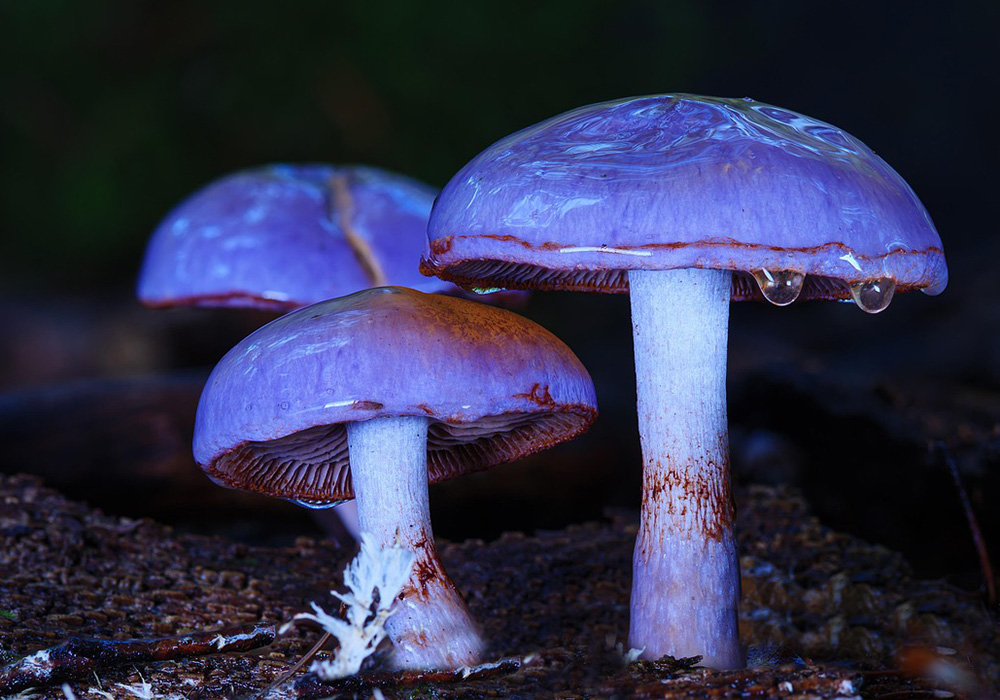
Before it became a public destination, Idaho’s Mammoth Cave was used for something totally unexpected: farming mushrooms. In the 1960s, Richard Arthur Olsen, who discovered the cave, began growing mushrooms inside due to the consistent cool temperature and natural humidity. These conditions created an ideal environment for cultivating mushrooms year-round.
Though mushroom farming eventually gave way to tourism, this unusual chapter of the cave’s history adds to its charm. It’s just another example of how the cave has served different purposes throughout the years. From agriculture to education, this underground landmark continues to evolve in fascinating ways.
The Property Includes Two Natural History Museums
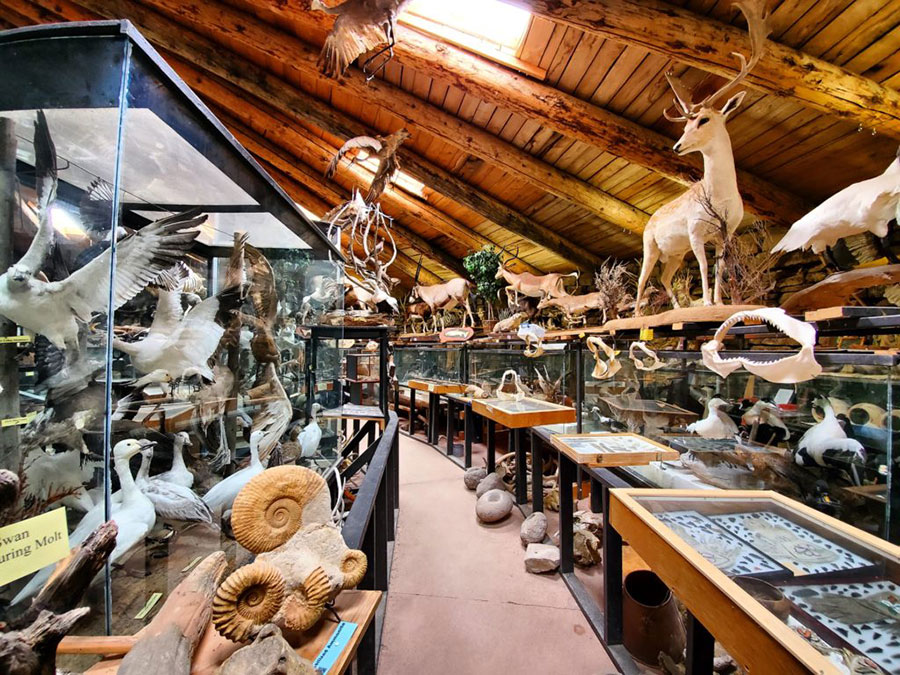
A visit to Idaho’s Mammoth Cave includes more than just a cave tour. On the property, you’ll find two museums: the Shoshone Bird Museum of Natural History and the Richard Arthur Olsen Museum of Natural History. These museums are packed with fossils, taxidermy, cultural artifacts, and mineral displays from around the world.
Many visitors say the museums are worth the visit all on their own. You’ll find everything from dinosaur bones to antique tools, and cultural artifacts from around the world. It’s a surprisingly vast and diverse collection, offering something for kids and adults alike. Some guests even describe it as Idaho’s version of the Smithsonian—unexpected and fascinating. It’s easily one of the best family-friendly things to do in Idaho.
Hand-Built Museum & Structures
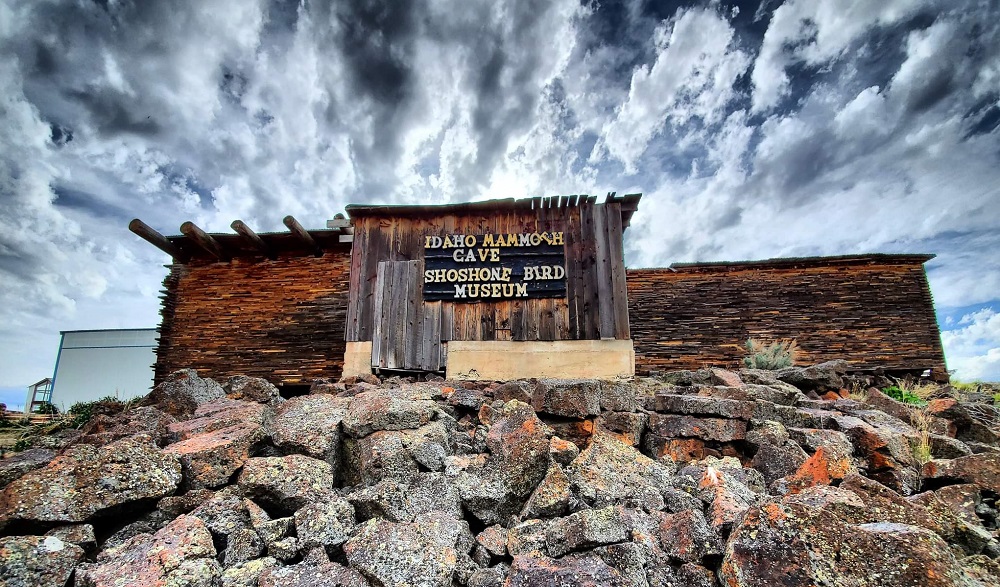
Many of the structures and displays on the property were hand-built by Richard Arthur Olsen himself, including the Shoshone Bird Museum of Natural History. These aren’t prefabricated buildings or commercial installations; they’re personal projects, crafted with care and resourcefulness over decades.
This hand-built quality adds character you can’t fake. Visitors often comment on how the museum feels like stepping into a blend of history, art, and imagination. It’s not a polished exhibit created by a corporation; it’s a reflection of one man’s passion for collecting, learning, and sharing.
The Cave Walls Are Naturally Colorful
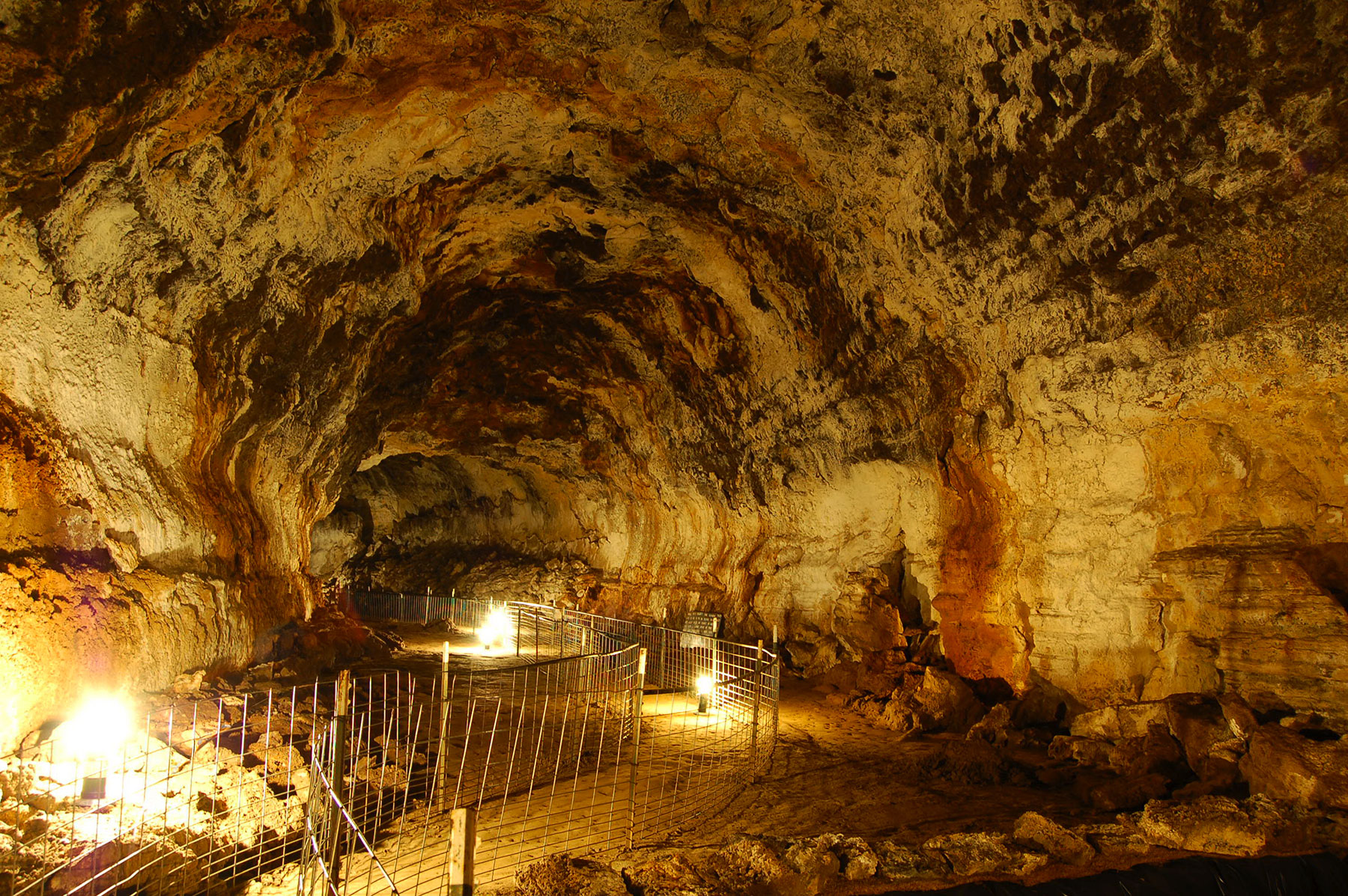
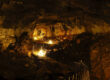
Inside the cave, you won’t just see black rock. Thanks to mineral deposits formed over thousands of years, the cave walls shimmer with streaks of color—gold, orange, silver, red, and more. These colors catch the light from your lantern in different ways as you move, giving each section of the cave its own personality.
No two areas of the cave look exactly the same. The colors come from elements like iron, copper, and other minerals that seeped into the rock over time. It’s one of those details that makes every visit feel personal. Some people come back again and again just to notice things they missed the first time around.
It’s Family-Owned & Operated
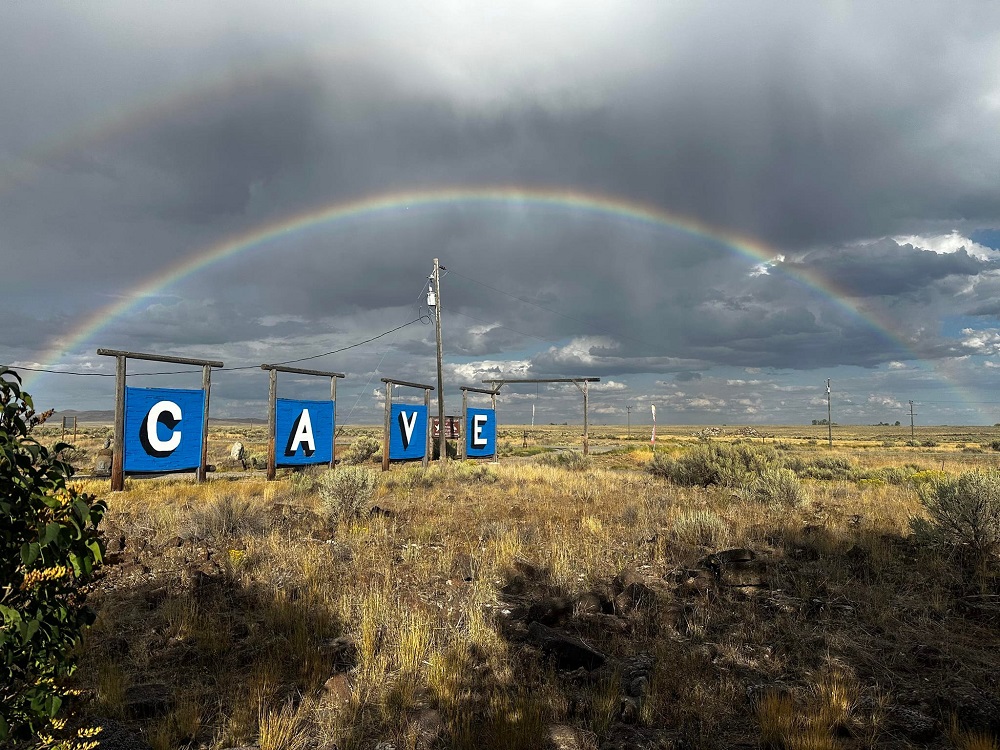
One of the most heartwarming things about Idaho’s Mammoth Cave is that it’s still owned and operated by the family who discovered it. Richard Arthur Olsen’s children continue to maintain the cave and its surrounding museums, preserving his original vision of sharing something beautiful and rare with the public.
Their personal care is felt in every part of the visit. It’s a place where the past is honored, the present is shared, and the family’s commitment shines through. In a time when most attractions are run by the government or large corporations, Idaho’s Mammoth Cave stands out as a truly personal experience—made special by the people who care for it every day.
The Stone Heads Are One-of-a-Kind Works of Art
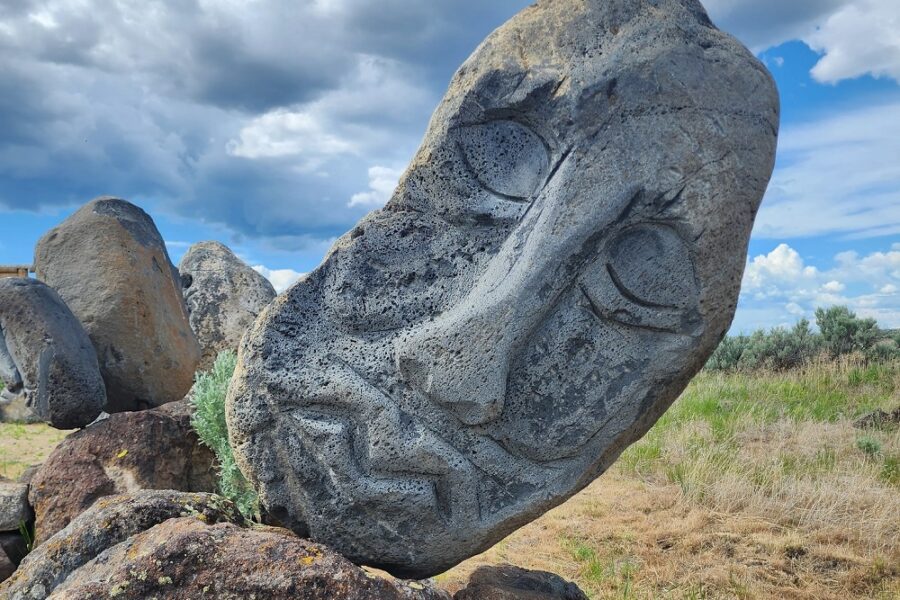
Scattered around the property of Idaho’s Mammoth Cave, you’ll find a striking collection of expertly carved stone heads; each one cut and shaped by hand. These expressive faces were sculpted by Richard Arthur Olsen, the same man who discovered the cave in the 1950s. Carved from rock, each piece is unique, with its own features, character, and expression.
More than just roadside curiosities, these stone heads have become iconic photo spots for visitors from all over the country. Whether you’re snapping a summer road trip selfie or just admiring the craftsmanship, they add something unexpected and unforgettable to your visit. As with everything at Mammoth Cave, they reflect Richard’s creativity, dedication, and lasting influence on this truly one-of-a-kind destination.
Peacocks Roam the Grounds
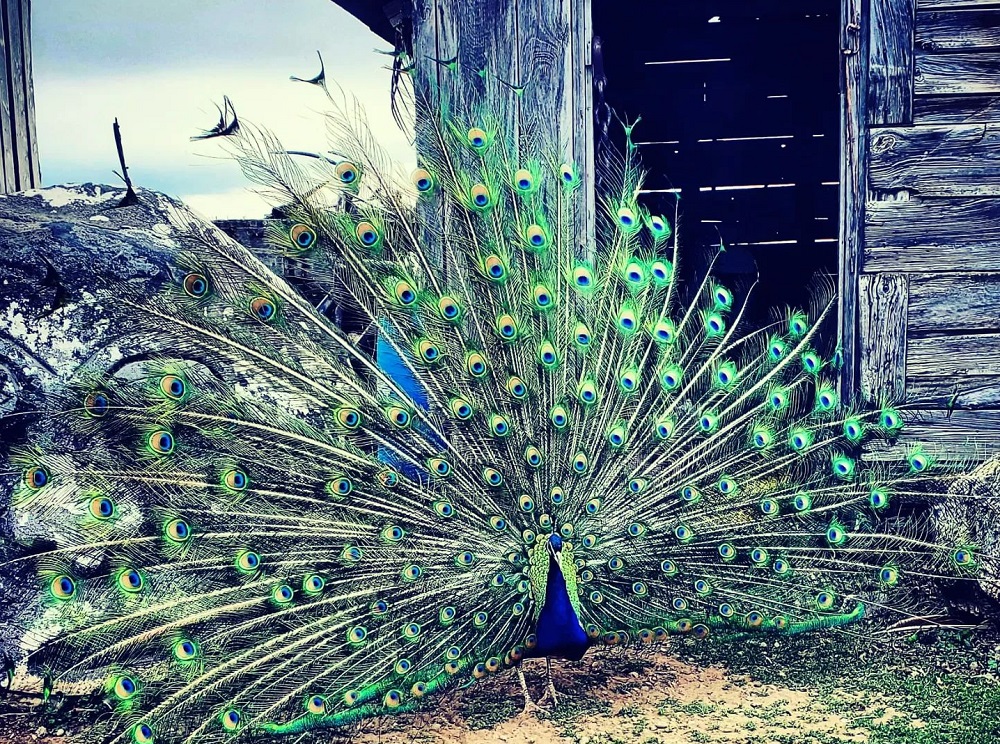
One of the most surprising—and most photographed—features of Idaho’s Mammoth Cave isn’t underground at all. It’s the vibrant peacocks that roam the grounds. With their bright blue feathers and stunning tail displays, these beautiful birds are a favorite among visitors of all ages.
Guests love watching them strut, interact, and even pose for pictures. Whether they’re perched near the buildings or fanning out their feathers in full display, the peacocks add a burst of color and personality to the experience. Don’t be surprised if they follow you around for a bit—they’re just as curious about you as you are about them!
A True Off-the-Beaten-Path Experience

Unlike other tourist destinations that are crowded and commercialized, Idaho’s Mammoth Cave offers a more relaxed, down-to-earth experience. There’s no pressure, no crowds, and no rush. You can take your time exploring the cave, wandering through the museums, and soaking in the atmosphere.
Visitors often describe it as one of the most unexpected and rewarding stops on their Idaho road trip. If you enjoy places that feel a little wild, a little quirky, and full of stories, you’ll love what Idaho’s Mammoth Cave has to offer.
Plan Your Visit
If you’re looking for unique things to do in Idaho, don’t forget to put Idaho’s Mammoth Cave on your list. Located just eight miles north of Shoshone on Highway 75, we’re open seasonally from May – September, from 10 a.m. to 6 p.m (with the last tours of the day going out at 5 p.m), 7 days a week, including all major holidays. Whether you’re stopping by for a day trip or making it part of a longer vacation, you’ll find something here you can’t experience anywhere else. The cave, the museums, the history—it’s all waiting for you to explore.
For current hours, pricing, or additional information, visit idahosmammothcave.com or give us a call at (208) 329-5382. We can’t wait to share this unforgettable experience with you.