Idaho’s Mammoth Cave is one of the most unique things to do in Idaho, a natural lava tube cave located just north of Shoshone in Southern Idaho. Formed by ancient volcanic lava flows, the cave allows visitors to explore Idaho’s geology from beneath the surface through a self-guided walking experience. Along with the cave itself, the site includes two natural history museums that showcase fossils, wildlife, artifacts, and geological specimens. Together, these features make Idaho’s Mammoth Cave one of the most distinctive underground attractions in Idaho.
Unlike many outdoor destinations that highlight Idaho’s scenery from above, this experience takes visitors below the landscape itself. Walking through a preserved lava tube offers a rare perspective on how volcanic activity helped shape the Snake River Plain.
Why Idaho’s Mammoth Cave Is Unique in Idaho
Idaho’s Mammoth Cave stands out as one of the most unique geological attractions in the state because visitors can explore a natural lava tube formed by ancient volcanic eruptions. Located near Shoshone in Southern Idaho, the cave allows travelers to walk through the interior of a volcanic formation while also exploring two natural history museums on site. This combination of underground exploration and educational exhibits makes Idaho’s Mammoth Cave a rare experience among Idaho’s outdoor attractions.
If you’re planning a trip and looking for more ideas, explore our full Idaho destination guide to see how Idaho’s Mammoth Cave fits into a broader travel experience.
Key Takeaways
- Idaho’s Mammoth Cave offers a rare opportunity to explore a natural lava tube cave formed by volcanic activity.
- Lava tube caves reveal how molten rock shaped Southern Idaho beneath the surface.
- The site combines geology, anthropology, and natural history in a single self-guided experience.
- Few attractions in Idaho allow visitors to walk through the interior of a volcanic formation.
- Idaho’s Mammoth Cave stands out as one of the most unique geological attractions in the state.
A Different Kind of Idaho Experience

When travelers plan outdoor adventures in Idaho, they often picture waterfalls, mountain lakes, river canyons, or wide open trails. Those landscapes define much of the state’s beauty, but they only tell part of the story. Idaho’s land was shaped just as much underground as it was on the surface.
Idaho’s Mammoth Cave offers visitors the chance to experience that hidden side of the region. Instead of viewing volcanic formations from a distance, guests walk directly inside the path molten lava once followed. The result is an experience that feels completely different from traditional sightseeing.
For travelers exploring Southern Idaho, the cave adds a new dimension to understanding the region’s landscape and the volcanic forces behind many of the destinations featured in our Idaho travel guide.
Nature and Outdoors: Underground Geological Experiences in Idaho

Many nature experiences in Idaho happen above ground, but volcanic caves offer a rare opportunity to explore the state’s geology from within.
Although volcanic activity shaped large portions of Southern Idaho, relatively few places allow visitors to see the internal structure left behind by ancient lava flows. Most people encounter the results of those eruptions through lava fields, basalt cliffs, and rugged canyons.
Idaho’s Mammoth Cave provides a direct look at what occurred beneath those formations inside its lava tube cave. Created when the outer surface of flowing lava hardened while molten rock continued moving inside, the cave preserves the interior channel of a prehistoric eruption.
Walking through the cave allows visitors to observe volcanic textures, rock layers, and mineral formations that formed thousands of years ago. It is geology that can be explored firsthand rather than simply studied in books or museums.
A Lava Tube Born From Fire

Millions of years ago, Southern Idaho looked very different than it does today. The region sits within the Snake River Plain, a volcanic landscape shaped by repeated lava flows that created many of the basalt formations and lava fields seen across the area today.
As those lava flows cooled, hardened outer crusts formed while the lava beneath continued moving forward. When the molten interior eventually drained away, hollow tunnels remained behind.
Over time, sections of these tunnels collapsed, creating natural openings that revealed the underground passageways. Idaho’s Mammoth Cave is one of these preserved lava tubes and remains one of the largest volcanic caves open to the public in the region.
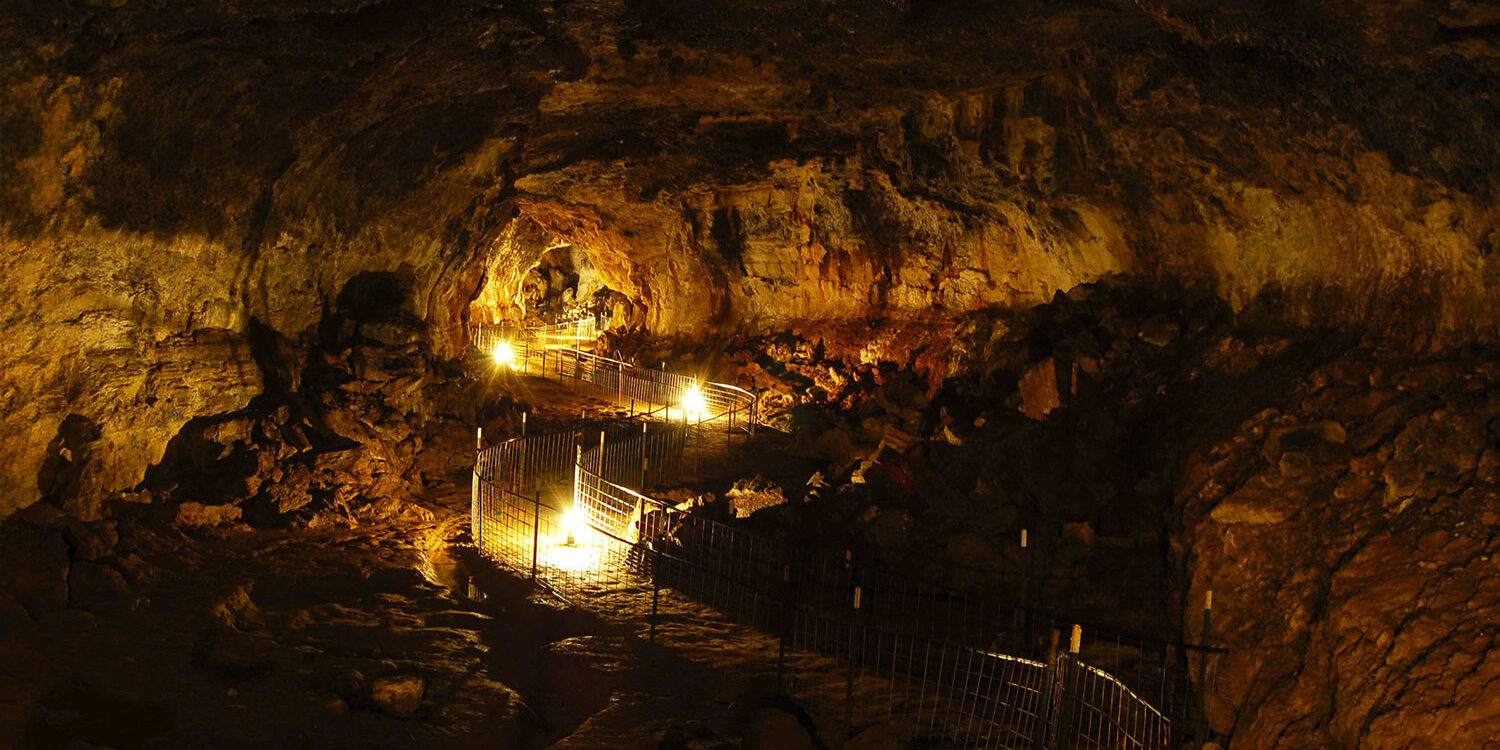
Inside the cave, the walls display frozen flow patterns, rough volcanic textures, and mineral deposits left behind by the ancient eruption. These formations provide a direct glimpse into the volcanic history that shaped Southern Idaho.
Human History Beneath the Landscape

Idaho’s Mammoth Cave is not only important geologically. The cave also contains evidence of how people interacted with the landscape long before it became a visitor attraction.
The cave’s naturally cool interior made it useful for storage and shelter in earlier periods. Historical evidence suggests that Native groups, including the Shoshone and Bannock, used the cave to preserve food and supplies during extreme seasonal changes.
Later discoveries uncovered bones from prehistoric animals such as ancient horses and the short-faced bear. These remains reveal a time when the surrounding environment supported very different wildlife. The cave eventually became the lifelong project of founder Richard Arthur Olsen.
Together, these geological and archaeological elements make Idaho’s Mammoth Cave a place where natural history and human history intersect beneath the same landscape.
Exploring Idaho’s Mammoth Cave Today

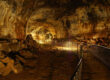
Today, visitors experience Idaho’s Mammoth Cave through a self-guided tour that allows them to explore the cave at their own pace. A clearly marked trail leads roughly a quarter mile into the cave before returning to the entrance.
Lanterns are provided to help illuminate the path, and many guests also bring flashlights to observe the rock textures and formations along the cave walls. The interior stays cool throughout the year, making it a refreshing stop during warmer months.
Because visitors move through the cave independently, the experience often feels personal and unhurried. Families, first-time cave explorers, and curious travelers alike frequently describe the visit as both memorable and surprisingly immersive.
What Makes This Cave Different From Other Idaho Attractions

Many destinations in Idaho are known for their dramatic scenery. Towering waterfalls, sweeping mountain ranges, and expansive canyon landscapes dominate travel guides throughout the state.
Idaho’s Mammoth Cave offers a different kind of experience. Instead of looking across the landscape, visitors step directly inside the geology itself. The cave surrounds guests with the rock layers formed by ancient volcanic activity, creating a more intimate encounter with the forces that shaped the region.
For travelers who enjoy learning while exploring, this underground environment provides context for many of the volcanic features found throughout Southern Idaho.
Museums That Add Context and Depth

The cave is part of a larger site that includes two natural history museums, both of which expand on the themes visitors encounter underground.
The Shoshone Bird Museum of Natural History features an extensive collection of birds, animals, fossils, and cultural artifacts gathered from around the world. Its displays highlight the diversity of wildlife and human cultures connected to natural environments.
The Richard Arthur Olsen Museum of Natural History continues the founder’s mission to educate visitors about the natural world. Its exhibits include fossils, gemstones, minerals, and artifacts that help illustrate the broader history of life on Earth.
Together, these museums transform a cave visit into a broader exploration of geology, wildlife, and cultural history.
Why This Experience Fits Into a Southern Idaho Travel Plan

Idaho’s Mammoth Cave works especially well as part of a broader trip through Southern Idaho. The region contains several geological landmarks shaped by the same volcanic forces that created the cave.
Many travelers combine a visit to the cave with nearby destinations such as waterfalls, lava formations, and historic sites throughout the Snake River Plain. Exploring the cave first often helps visitors better understand the volcanic origins of the surrounding landscape.
For travelers looking for a deeper understanding of Idaho’s natural history, the cave provides a unique starting point.
Planning a Visit

Idaho’s Mammoth Cave is located just north of Shoshone along Highway 75 in the heart of Southern Idaho’s volcanic landscape. The cave operates seasonally, from May through early fall, with daily hours that allow flexibility for road trips and day visits.
Most guests spend about thirty minutes exploring the cave itself, followed by additional time visiting the museums and surrounding property. Comfortable walking shoes and a light jacket are recommended due to the cave’s cool interior temperature.
Because the experience is self guided, visitors can choose how long they stay and what areas they explore.
Why Idaho’s Mammoth Cave Belongs on Every Idaho Travel List
Idaho’s Mammoth Cave reveals a side of the state that many travelers never see. While mountains, rivers, and waterfalls showcase Idaho’s surface beauty, the cave provides a look beneath the landscape where volcanic forces once shaped the region from within.
For visitors seeking something different, the cave offers an opportunity to step inside a preserved lava tube and experience the geological history of Southern Idaho firsthand.
Combined with the site’s museums and cultural exhibits, Idaho’s Mammoth Cave stands out as one of the most distinctive and educational attractions in the state.
Travelers exploring Idaho’s volcanic landscapes will find that lava tube caves provide one of the most unusual ways to experience the region. Idaho’s Mammoth Cave offers a rare opportunity to step beneath the surface of the Snake River Plain and discover the geological forces that shaped much of Southern Idaho’s terrain.
Idaho’s Mammoth Cave is just one example of the unique experiences waiting across the state. For a complete breakdown of destinations, activities, and travel ideas, visit our full Idaho destination guide
Quick Summary: Why Idaho’s Mammoth Cave Stands Out
- One of the few lava tube caves open to the public in Idaho
- Located in Southern Idaho near Shoshone
- Offers a self guided underground walking experience
- Includes two natural history museums on site
- Provides a direct look at Idaho’s volcanic landscape
Frequently Asked Questions About Idaho’s Mammoth Cave
Exploring a lava tube cave is a unique experience, and many visitors have questions before planning their trip. Below are answers to some of the most common questions about Idaho’s Mammoth Cave.
Is there a cave you can explore in Idaho?
Yes. Idaho’s Mammoth Cave is a natural lava tube cave open to the public through a self guided walking experience that allows visitors to explore underground at their own pace.
What makes Idaho’s Mammoth Cave unique compared to other attractions?
Unlike waterfalls or scenic overlooks, Idaho’s Mammoth Cave allows visitors to walk beneath the landscape itself, offering a rare look at the volcanic forces that shaped Southern Idaho.
Is Idaho’s Mammoth Cave considered a nature and outdoors activity?
Yes. Idaho’s Mammoth Cave is a natural lava tube formed by volcanic activity, making it part of Idaho’s outdoor geological experiences. Visitors explore the interior of a volcanic formation rather than viewing it from the surface.
Are there educational attractions in Idaho that are still fun to explore?
Yes. Idaho’s Mammoth Cave combines hands-on exploration with natural history museums, making it both educational and engaging for families and curious travelers.
Is Idaho’s Mammoth Cave suitable for first time visitors to Idaho?
Yes. The cave provides a memorable introduction to Idaho’s volcanic landscape and helps visitors better understand many of the natural features found throughout the state.
How does Idaho’s Mammoth Cave fit into a broader Idaho trip?
Many travelers include the cave as part of a Southern Idaho road trip, pairing it with nearby geological landmarks and scenic destinations to experience the region more fully.