Southern Idaho is one of the easiest parts of the state to explore by car. Scenic drives, natural landmarks, and family-friendly stops are close enough to combine into a flexible road trip without long hours on the road. This guide walks through a realistic Southern Idaho road trip that highlights well-known stops while also focusing on experiences shaped by the region’s geology, history, and wide-open landscapes. It’s designed for first-time visitors, families, and travelers who want to explore at their own pace rather than rush from place to place.
For a complete statewide travel guide, see our complete Idaho travel guide.
Top Nature and Outdoor Experiences in Southern Idaho
Southern Idaho combines waterfalls, volcanic landscapes, river canyons, hot springs, and lava tube caves into one compact road trip region. If you want a quick list of the best stops to build your itinerary around, start here.
- Idaho’s Mammoth Cave: Walk-through lava tube cave and underground geological experience shaped by ancient volcanic flows
- Shoshone Falls: Major waterfall on the Snake River, often called the “Niagara of the West”
- Craters of the Moon National Monument: Volcanic landscape with lava fields, cinder cones, and rugged terrain
- Snake River Canyon: Dramatic river gorge with scenic viewpoints around the Twin Falls area
- Balanced Rock: Natural rock formation shaped by erosion, easy roadside stop
- Miracle Hot Springs: Developed geothermal soaking pools near the Snake River
Nature and Outdoor Experiences in Southern Idaho

Southern Idaho was shaped by volcanic activity, water, and wide open space. That history created landscapes that feel different from most western road trip routes. Lava fields, river canyons, underground caves, and desert plains all sit within a few hours of each other, making the region especially easy to explore by car.
For travelers, this means less time driving and more time experiencing what makes Idaho unique. You can spend a morning underground in a lava tube cave, an afternoon at a waterfall, and still be back on the road before dark. That balance is what makes Southern Idaho especially appealing for families, first-time visitors, and anyone who prefers flexible travel over strict schedules.
Instead of trying to see everything at once, many travelers use this region as a starting point before branching into other ideas featured in our guide to things to do in Idaho. The most rewarding trips focus on a few meaningful stops that tell the story of the land rather than rushing between destinations.
Start Below the Surface at Idaho’s Mammoth Cave

A Southern Idaho road trip makes the most sense when it begins with the land itself. Idaho’s Mammoth Cave offers that perspective right away, and it fits into a category many people don’t realize Idaho does so well: walk-through lava tube caves, one of Idaho’s most unique nature experiences and outdoor geological attractions.
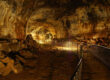
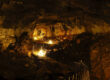
The cave is a naturally formed lava tube created by ancient volcanic flows. Visitors walk through a preserved underground passage that shows how molten lava once moved beneath the surface. Unlike guided tours that move on a fixed schedule, this is a self-guided experience. Guests explore at their own pace, stop where they want, and take time to notice the textures, colors, and formations that make lava tube caves unique.
What sets this stop apart for road trippers is how approachable it is. The path is clearly defined, the temperature stays cool even in summer, and the experience works well for children, adults, and multi-generational groups.
On-site, two natural history museums add depth to the visit. The collections focus on regional wildlife, fossils, rocks, and cultural artifacts tied to Southern Idaho and the surrounding high desert. Together, the cave and museums provide context that helps travelers understand what they will see throughout the rest of their trip.
Idaho’s Mammoth Cave operates seasonally from May through October and is open daily, from 10 a.m. to 6 p.m., with the last entry at 5 p.m., including all major holidays. Travelers planning their visit can find current hours, directions, and seasonal updates at idahosmammothcave.com or by calling 208-329-5382.
Shoshone Falls and the Power of Water

From underground to open canyon, Shoshone Falls is one of the most recognized landmarks in Southern Idaho. Often called the “Niagara of the West,” the falls are taller than Niagara Falls and carry massive volumes of water during peak runoff.
The appeal here is not just the waterfall itself but how easy it is to experience. Viewpoints are close to parking areas, paths are well maintained, and the surrounding park allows visitors to explore without committing to long hikes.
As part of a road trip, Shoshone Falls highlights another side of Southern Idaho’s geology. Water carved these canyons over time, cutting through volcanic rock and shaping the Snake River Plain. Seeing this after visiting a lava tube creates a natural connection between forces that shaped the region.
Twin Falls and the Snake River Canyon

Twin Falls often becomes a central hub for Southern Idaho road trips. It offers lodging, food options, and access to the Snake River Canyon, which defines much of the area.
The canyon stretches for miles and provides scenic viewpoints, short walking paths, and opportunities to simply stop and take in the scale of the landscape. Unlike national parks that require advance planning, this area allows travelers to pull off, explore briefly, and continue on without pressure.
For road trippers, this flexibility is key. You can spend as little or as much time here as you like and still feel satisfied.
The Perrine Bridge and Canyon Views

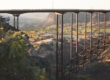
One of the most photographed features in Twin Falls is the Perrine Bridge, which spans the Snake River Canyon. From the bridge and surrounding viewpoints, travelers can look down into the canyon and see just how deep and rugged it is.
What surprises many visitors is how accessible this experience is. There is no entrance fee, no long trail, and no special gear required. You park, walk, look, and move on when ready.
For a Southern Idaho road trip, this stop adds a visual break between longer drives and reinforces the dramatic geography that defines the region.
Craters of the Moon and Volcanic Landscapes

Southern Idaho’s volcanic history becomes impossible to ignore at Craters of the Moon National Monument. This area features vast lava fields, cinder cones, and rugged terrain that feels almost otherworldly.
Visitors can drive through much of the monument, stopping at pullouts and short trails that showcase different volcanic features. You do not need advanced hiking skills to appreciate it. Many people explore by car with short walks mixed in.
As part of a road trip, Craters of the Moon helps connect what visitors saw underground at Idaho’s Mammoth Cave to the broader volcanic story above ground. It reinforces how lava shaped nearly everything in this part of the state, including the lava tube caves people can explore today.
Balanced Rock and Southern Idaho’s Sculpted Landscape

Balanced Rock is one of Southern Idaho’s most recognizable roadside landmarks. Rising from the desert floor, the massive formation appears carefully stacked, even though it was shaped entirely by erosion and time.
This stop fits easily into a road trip itinerary. A short walk brings visitors close enough to appreciate the scale without committing to a long hike or extended stop. It works well as a quick pause between destinations and adds another layer to Southern Idaho’s geological story.
Balanced Rock highlights how wind, weather, and volcanic material shaped the region in unexpected ways. For first-time visitors, it’s a simple but memorable reminder of how much variety exists within a relatively small area.
Hot Springs as a Natural Pause

Southern Idaho’s hot springs offer a welcome change of pace during a road trip. Miracle Hot Springs, located near the Snake River, is a popular option for travelers looking to relax without straying far from main routes.
The pools provide an easy, accessible soaking experience that works well after long drives or active days. Nearby Nat-Soo-Pah Hot Springs offers a similar stop for travelers building flexibility into their itinerary.
Including a hot springs stop helps balance sightseeing-heavy days with downtime. It gives travelers a chance to slow down while still staying connected to the landscape that defines Southern Idaho.
Why Road Trips in Southern Idaho Feel Different

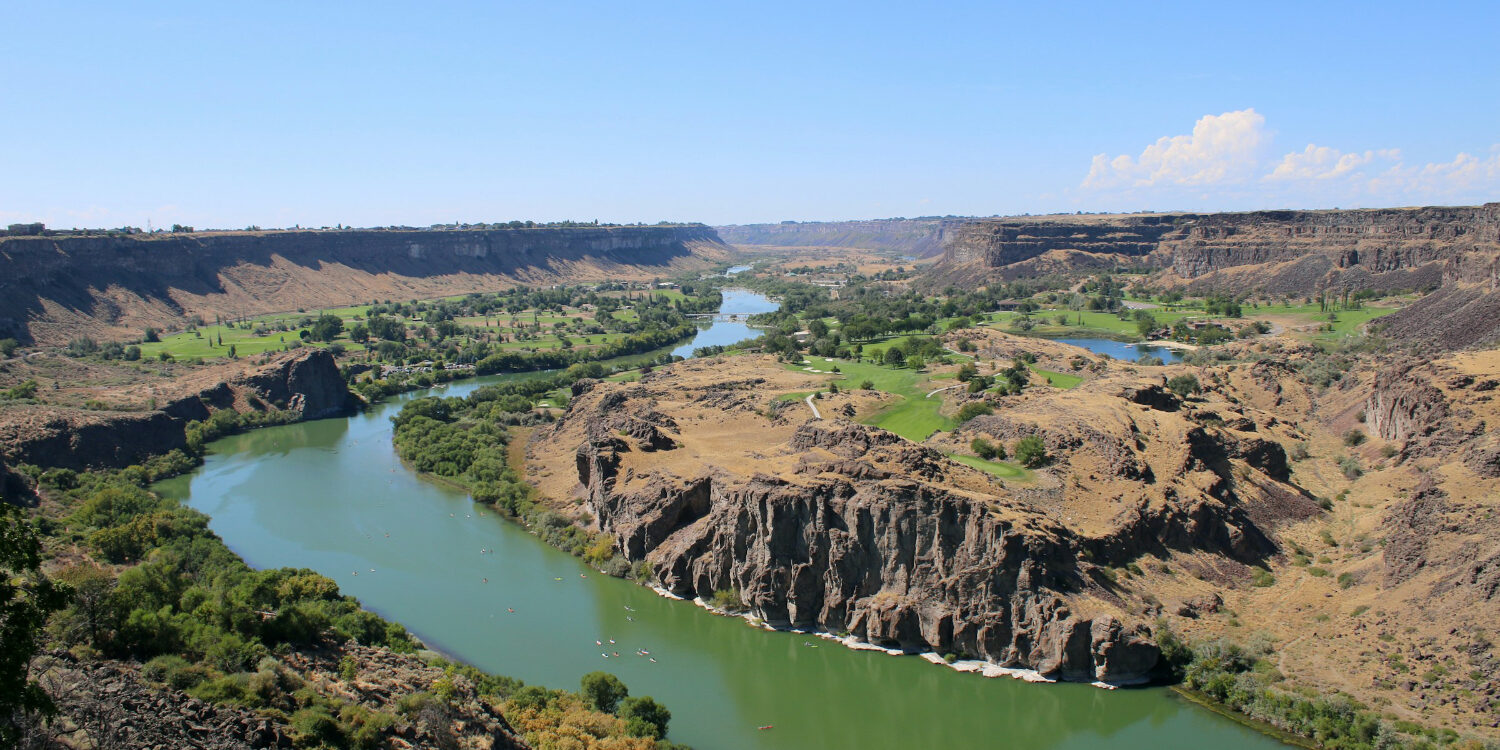
Image Credit: “Bruneau River Overlook” by BLMIdaho is licensed under CC BY 2.0.
Many travelers expect road trips to feel rushed. Southern Idaho often delivers the opposite.
Distances between major attractions are manageable, crowds are lighter than in neighboring states, and experiences tend to be self-paced. You’re not forced into tight schedules or timed entry slots. Instead, you decide how long to stay and when to move on.
This approach fits families, first-time visitors, and travelers who value flexibility over checklists. It also allows room for unexpected stops, scenic pullouts, and quiet moments that end up becoming highlights.
If you want a broader planning framework and more ideas beyond this itinerary, our complete guide to southern Idaho road trips offers additional destinations, seasonal tips, and ways to connect experiences across the region.
Southern Idaho also works well for travelers who want to avoid road trip burnout. Stops are close enough that days feel full without being exhausting, and many attractions don’t require long hikes, reservations, or strict schedules.
Planning Tips for a Southern Idaho Road Trip

A few simple considerations can make the trip smoother.
One of the most common mistakes travelers make when planning a Southern Idaho road trip is treating it like a checklist. This region rewards slowing down and choosing fewer stops rather than rushing to see everything.
Focus on one area instead of trying to cover the entire state. Southern Idaho offers enough variety on its own to fill several days without long drives.
Plan around the season you’re visiting. Some attractions operate only part of the year, especially underground sites and outdoor destinations.
Leave space in your itinerary. Southern Idaho is at its best when you allow time to linger, explore, and make unplanned stops along the way.
Most importantly, approach the trip as a way to understand the land. When destinations connect through geology and history, the experience feels cohesive rather than scattered.
Idaho’s Mammoth Cave

Planning a trip through Southern Idaho? Idaho’s Mammoth Cave is a stop worth adding along the way. This unique destination lets you explore a naturally formed underground lava tube at your own pace, giving you a chance to experience something completely different from Idaho’s rivers, parks, and trails.
Along with the cave, you’ll also find two privately owned natural history museums on-site, the Shoshone Bird Museum and the Richard Arthur Olsen Museum. Together, they feature a wide range of exhibits that have earned the nickname “The Smithsonian of the Desert,” making it a memorable stop for visitors of all ages. Located eight miles north of Shoshone along Highway 75, the cave is open seasonally from May through October, from 10 a.m. to 6 p.m., with last tours at 5 p.m., seven days a week, including major holidays. For more information, visit idahosmammothcave.com or call (208) 329-5382.
For a complete travel guide, see our statewide Idaho guide.
Frequently Asked Questions About Southern Idaho Road Trips
What is the best way to plan a Southern Idaho road trip?
The best approach is to focus on a handful of destinations that are close together and offer different types of experiences. Combining underground sites, scenic viewpoints, and relaxing stops helps create balance without overpacking the itinerary.
Is Southern Idaho good for first-time visitors?
Yes. Southern Idaho is especially welcoming for first-time visitors because many attractions are easy to access, self-guided, and less crowded than similar destinations in nearby states.
Are Southern Idaho road trips family-friendly?
Very much so. Stops like lava tube caves, roadside landmarks, waterfalls, and hot springs offer flexibility and variety that work well for children and multi-generational groups.
What nature attractions are in Southern Idaho?
Southern Idaho is known for natural landmarks such as Shoshone Falls, Craters of the Moon, the Snake River Canyon, lava tube caves like Idaho’s Mammoth Cave, and several developed hot springs.
Are there caves you can explore in Idaho without a guided tour?
Yes. Idaho has several cave experiences, and Idaho’s Mammoth Cave is a well-known self-guided option where visitors walk a marked route through a lava tube cave at their own pace.
What makes Southern Idaho different from other road trip destinations?
Southern Idaho stands out for its volcanic terrain, underground features, river canyons, and wide-open spaces. The region also tends to feel quieter and less structured, allowing travelers to explore at their own pace.
How far apart are major Southern Idaho road trip stops?
Most major attractions in Southern Idaho are within one to two hours of each other by car. This makes it easy to combine caves, waterfalls, canyons, and scenic viewpoints into a single trip without spending most of the day driving.
What is the best time of year for a Southern Idaho road trip?
Late spring through early fall is ideal. Many attractions operate seasonally, especially caves and outdoor sites. Summer offers the widest access, while fall brings cooler temperatures and lighter crowds.
Can you combine sightseeing and relaxation on a Southern Idaho road trip?
Yes. Southern Idaho is well suited for travelers who want both exploration and downtime. Pairing active stops with hot springs or scenic pullouts helps create a more enjoyable pace.